
What Is Saffiano Leather? A Field Guide to the Cross-Hatch
Saffiano leather is a finish, not a type of hide. It is leather with a fine diagonal cross-hatch pressed into the surface under heat, then sealed with a wax or resin coating that resists scratches, water and stains. The texture is the point: the pattern is what gives Saffiano its structure and its quiet sheen.
The finish was first pressed by Mario Prada in Milan in 1913, and more than a century later it remains one of the most recognisable surfaces in Italian leather. Here is where it comes from, how it is made, and how to tell the real thing from the rest.
Where Saffiano comes from
In 1913, the brothers behind Fratelli Prada were selling trunks and leather goods to travelling European clients who wanted something that could take a knock and still look composed. Working with a Milan tannery, they developed a way to press a cross-hatch into the hide and seal it. The result held its shape, shrugged off scratches, and wiped clean. It sold well enough that by 1919 the house was supplying the Italian royal family.
The name traces to the Italian word for the pressing process itself. The original patent expired decades ago, which is why the cross-hatch now appears across many houses, though the word Saffiano stays closely tied to where it began. The texture went from a travel-trunk solution to a fixture of Italian leather goods.
How Saffiano is made
The process is short and exact:
- Heat. The hide is warmed to roughly 70°C so the fibres relax and will take an impression.
- Press. A heated metal plate engraved with the cross-hatch is pressed into the surface for around ten to fifteen seconds. The pattern is permanent.
- Seal. A wax or resin finish goes over the texture. This is the layer that does most of the protecting, and it gives Saffiano its faint, even sheen.
Because the surface is sealed rather than left open, Saffiano resists the marks that show quickly on untreated leather. The cross-hatch also hides small abrasions and fingerprints, so a piece keeps its composure through daily handling.
Why Saffiano lasts
- Scratch resistance. The sealed cross-hatch takes the friction that scuffs smoother leather.
- Water resistance. Light rain beads on the finish rather than soaking in.
- Structure. Saffiano holds its shape, which is why it suits wallets, holders and cases rather than soft, slouchy bags.
- Easy upkeep. A wipe with a soft, slightly damp cloth is usually all it needs.
Full-grain Saffiano, and the cheaper kind
Here is the part most guides skip. Saffiano describes the finish, so it can sit on very different materials underneath. Some versions are pressed onto corrected or coated splits, some onto synthetic, where the cross-hatch is really there to hide a low-grade base. The word on the label tells you about the texture, not the hide.
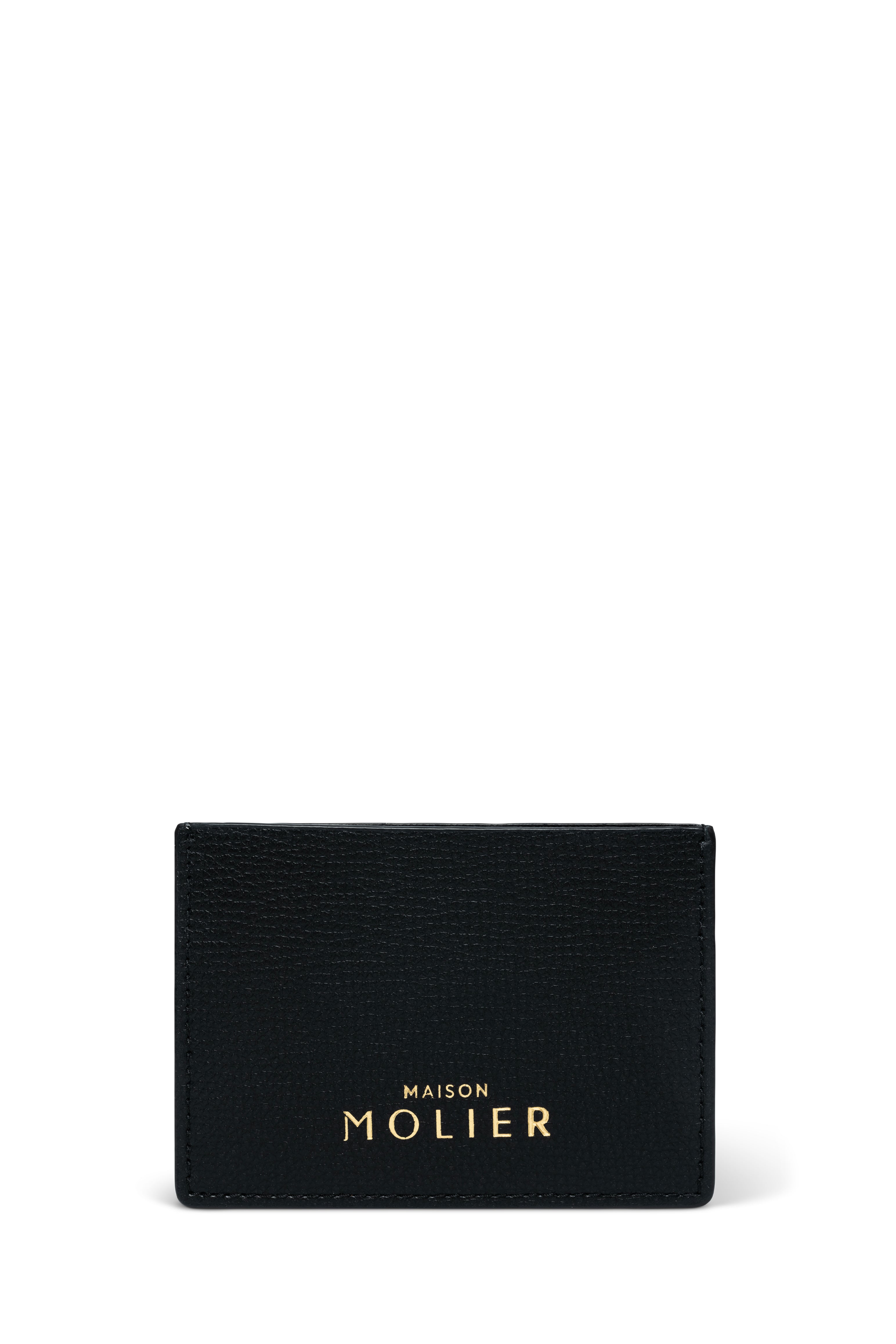
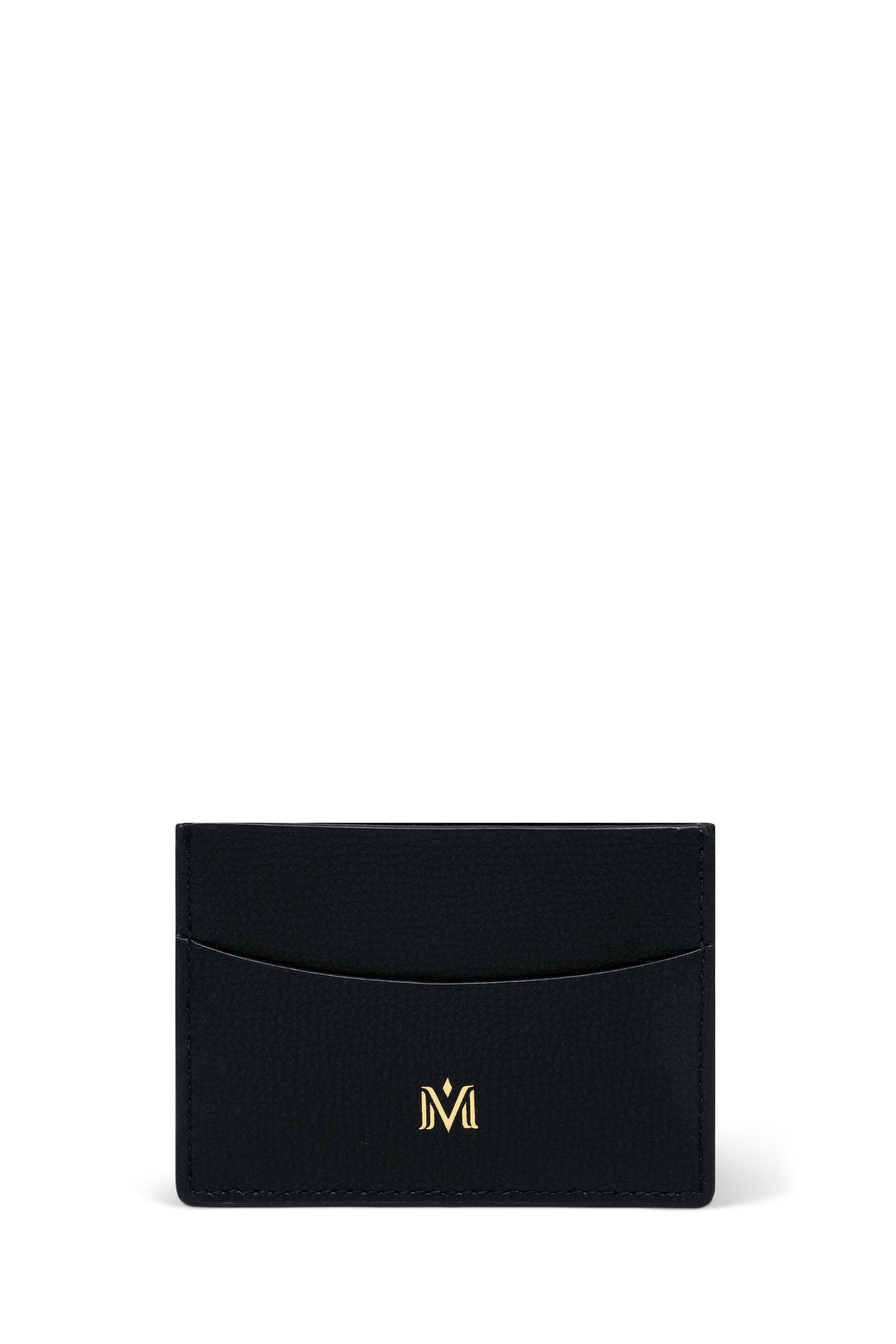
What sits under the finish is what decides how a piece ages. Maison Molier works in full-grain Saffiano cow leather, the strongest, outermost layer of the hide, pressed and sealed. Full-grain keeps the natural fibre structure intact, which is what lets leather take on character with use instead of flaking or wearing thin.
Does Saffiano develop a patina?
Less dramatically than open, untreated leather, and that is by design. The sealed surface is built to resist change, so you will not see the deep darkening a raw vegetable-tanned hide develops. What you get with a full-grain base is a quieter shift: the leather softens to your handling, the colour settles, and the piece starts to read as yours. A patina that is yours alone, in a subtle register.
How to care for Saffiano leather
- Wipe with a soft cloth, slightly damp, following the grain. For marks caught in the texture, a soft brush works.
- Keep it away from direct heat and long sun, which dry any leather over time.
- If it gets wet, let it dry naturally at room temperature. No radiators, no hairdryers.
- Give it room rather than a tight, overstuffed pocket, so the structure stays clean.
Saffiano leather, in short
Is Saffiano real leather?
It can be. Saffiano is a finish, so the answer depends on the base. Pressed onto full-grain hide, as ours is, it is real leather with a sealed cross-hatch surface. Pressed onto synthetic, it is not.
Is Saffiano leather waterproof?
Water resistant, not waterproof. The wax and resin seal makes light rain bead and roll off, but no leather should be soaked or submerged.
Does Saffiano scratch?
It resists scratches better than most smooth leather because of the sealed cross-hatch, and the texture hides the small marks that do appear. Sharp objects can still cut it.
Is Saffiano cow or calf?
Historically it was pressed onto calfskin. Today it appears on calf, cow and synthetic bases. Maison Molier uses full-grain cow.
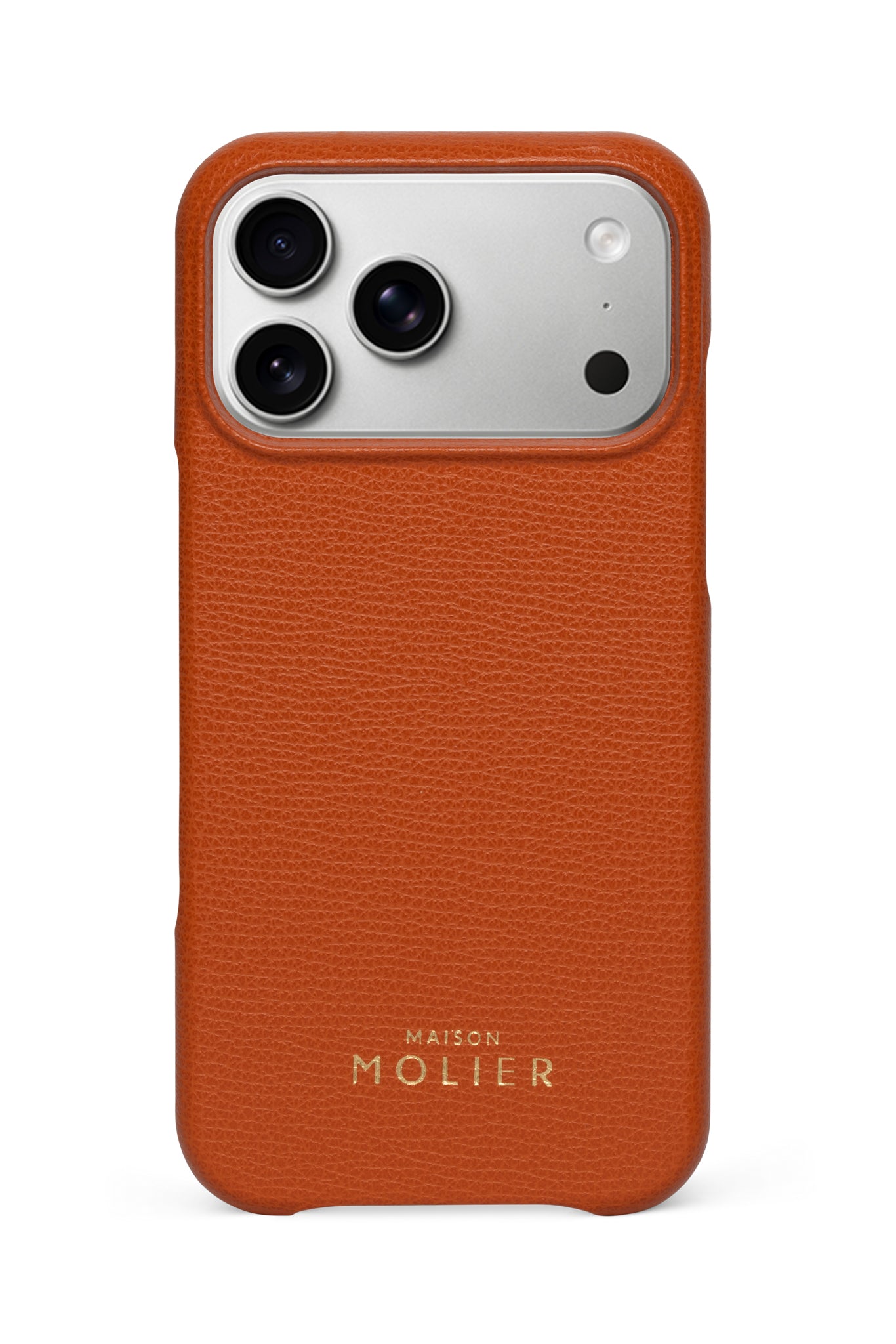
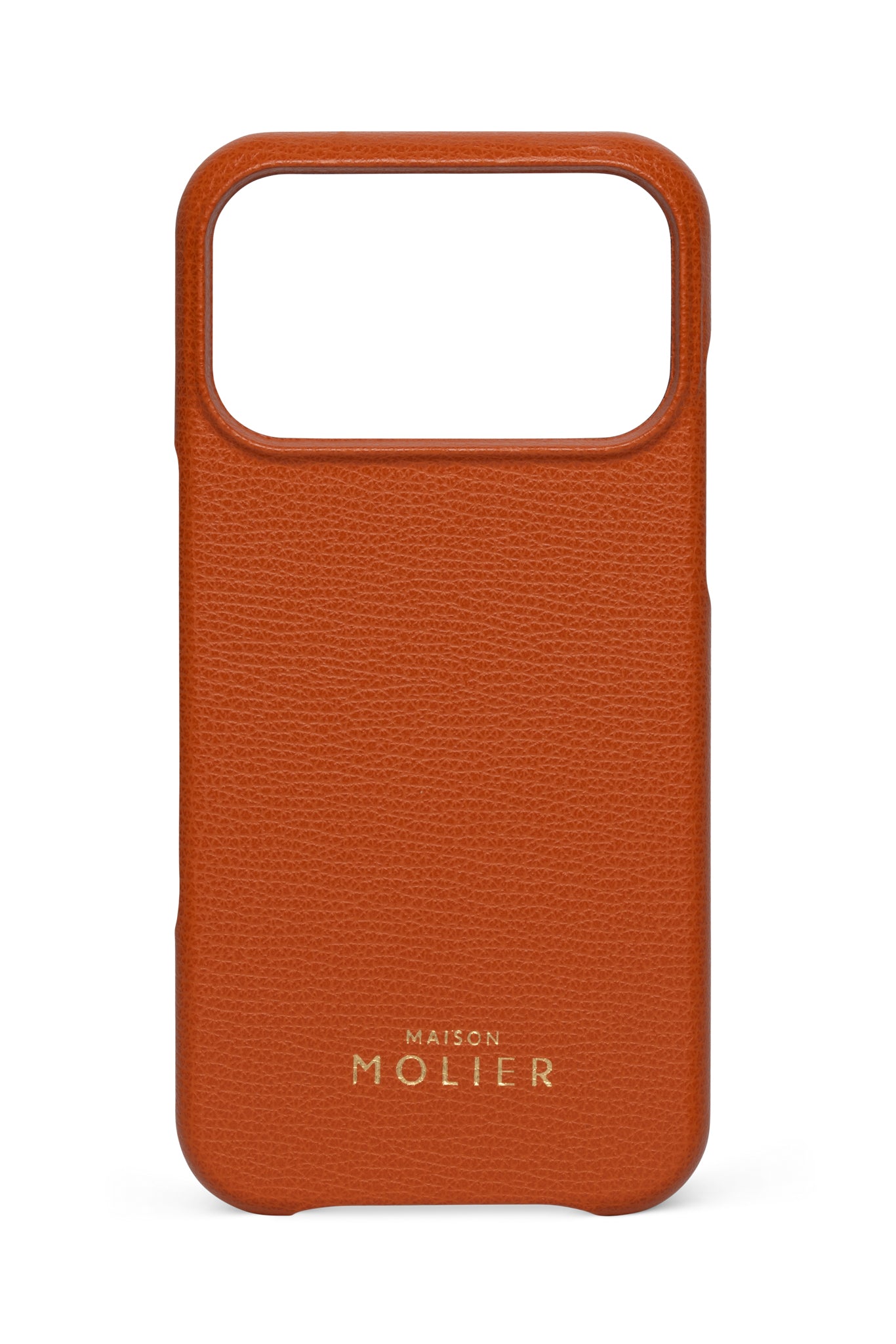
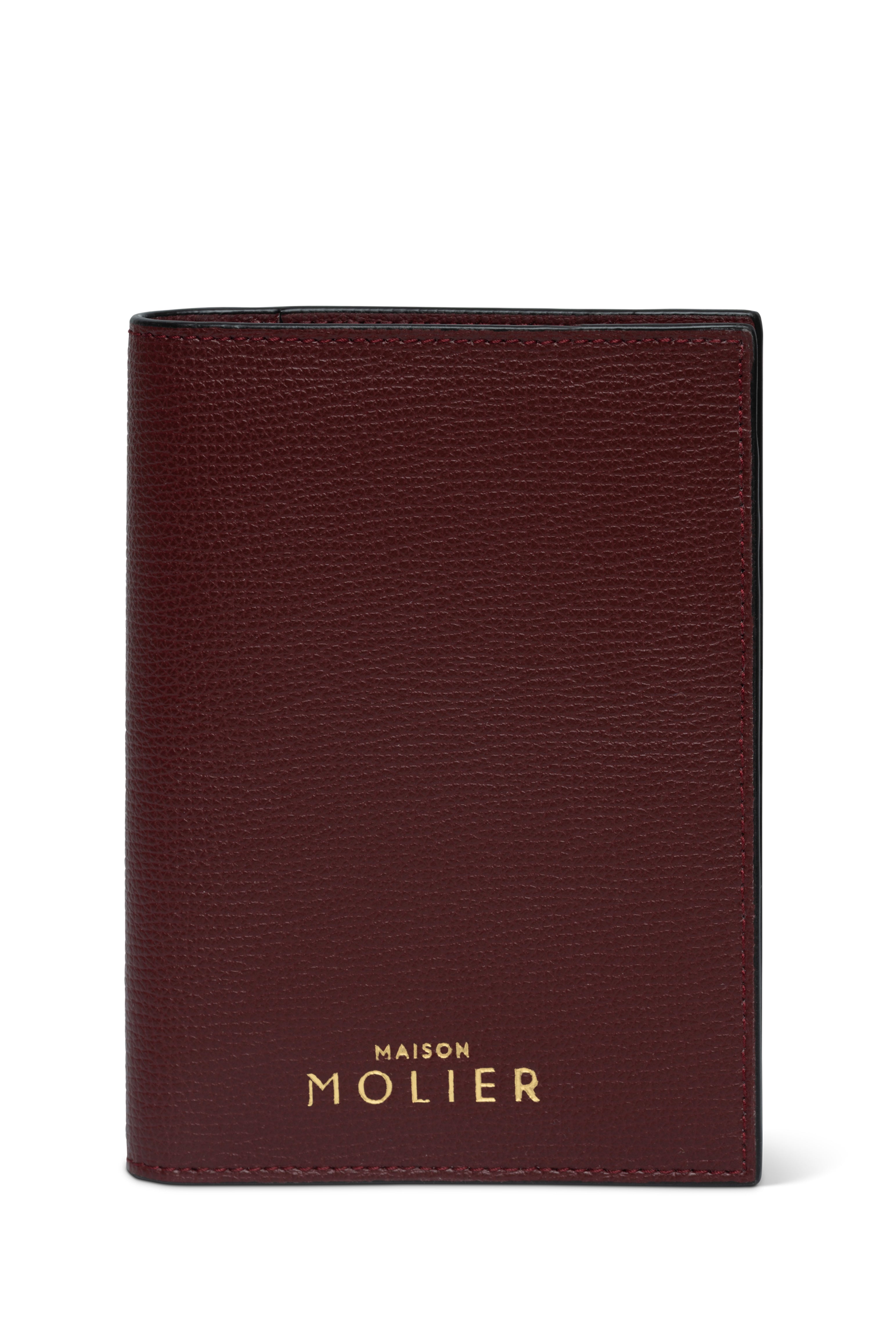
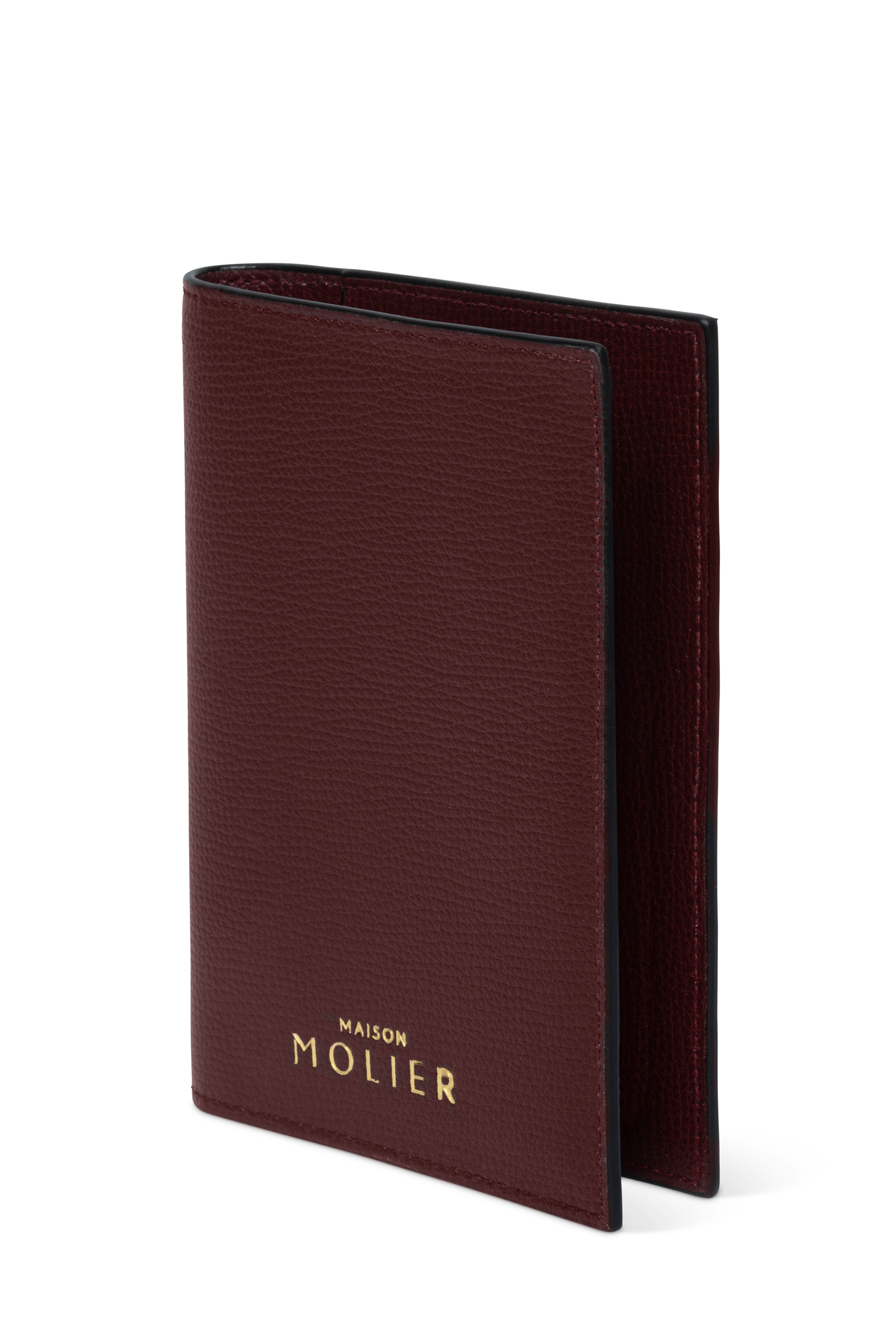
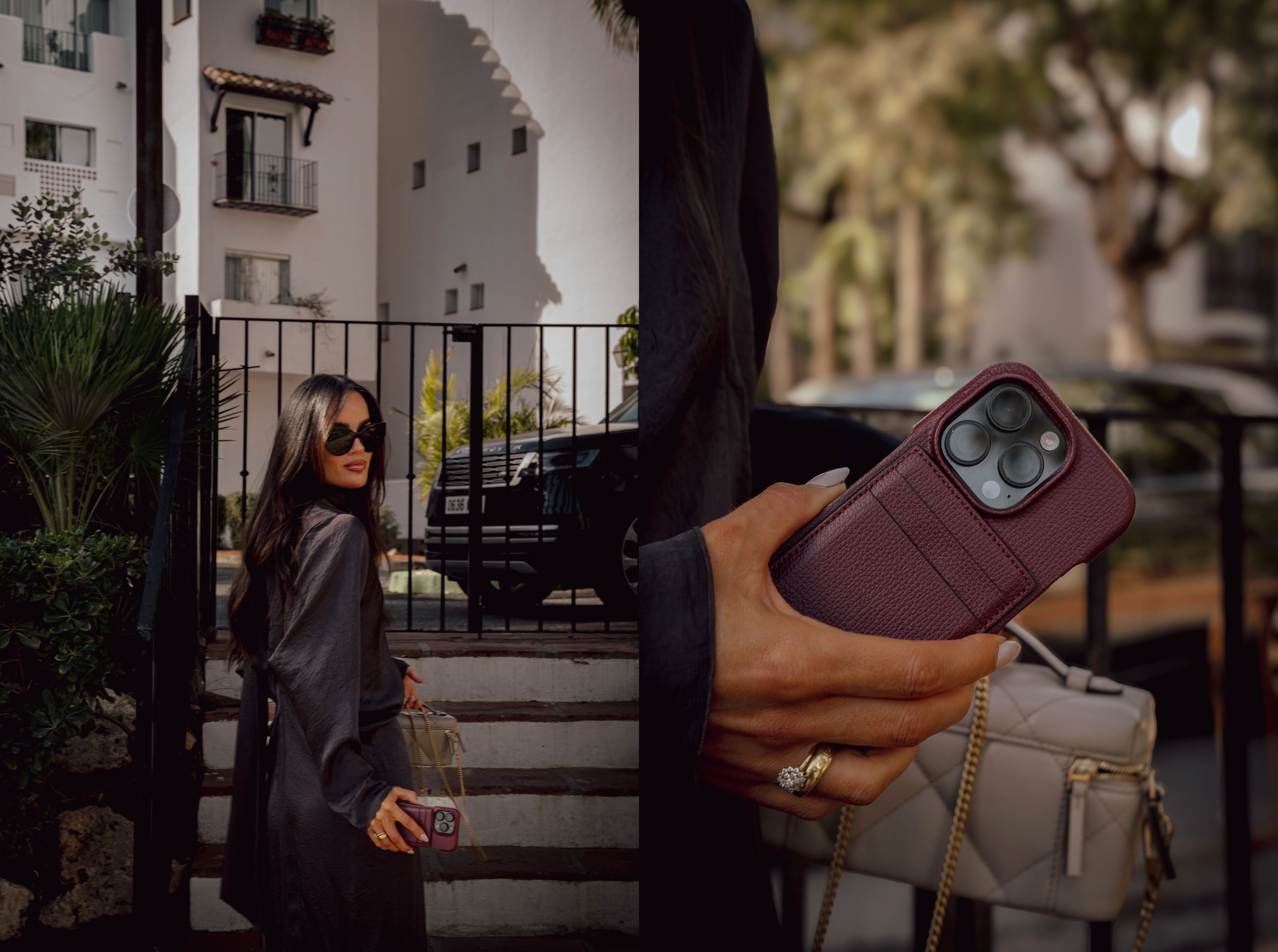
You can see how full-grain Saffiano behaves in person across our iPhone cases and the rest of the range, made fully in Italy in six colours.
Read more
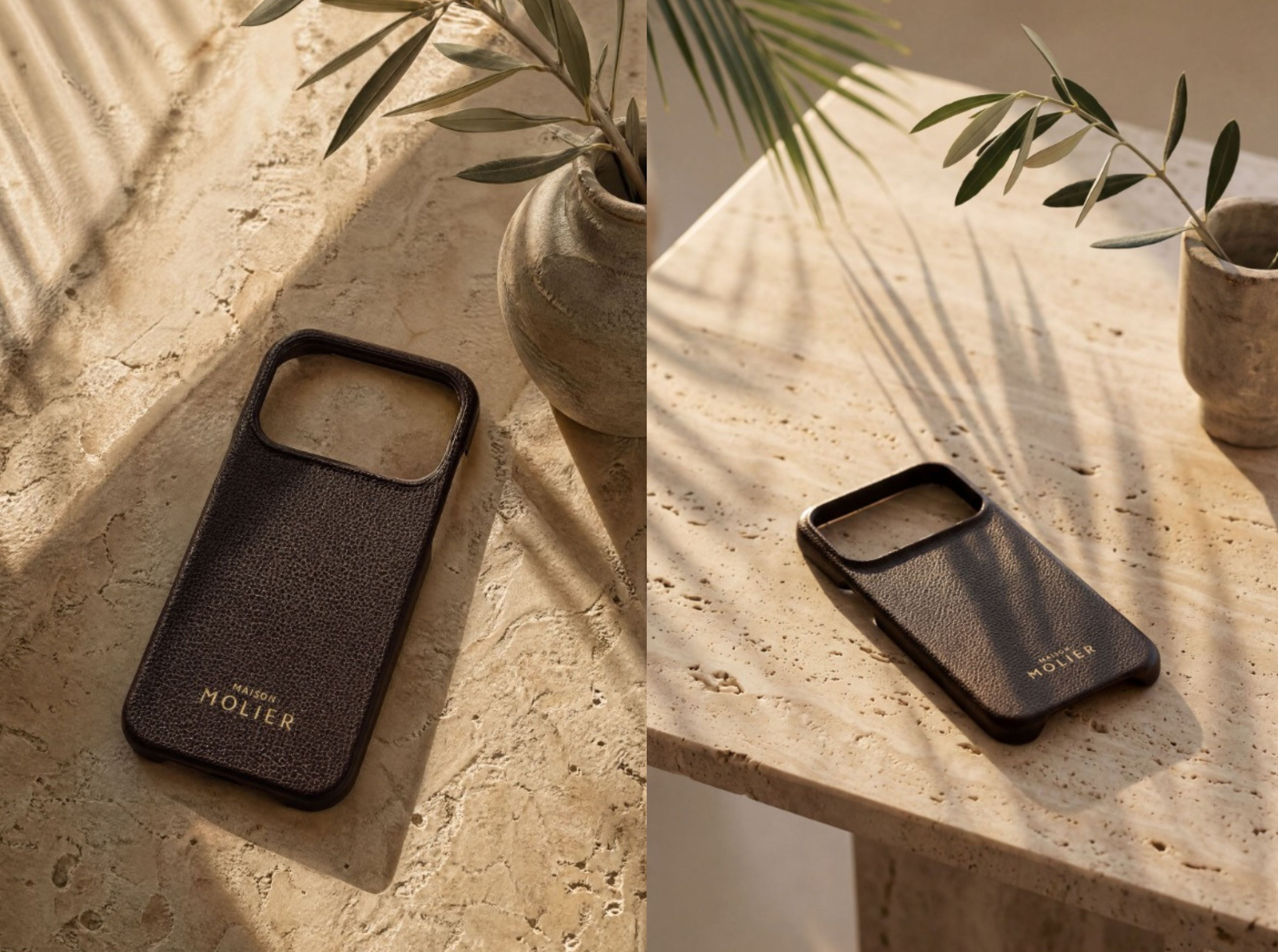
A leather case protects your phone when there is real structure under the leather. The engineering behind drop protection, what military-grade means, and where leather fits.
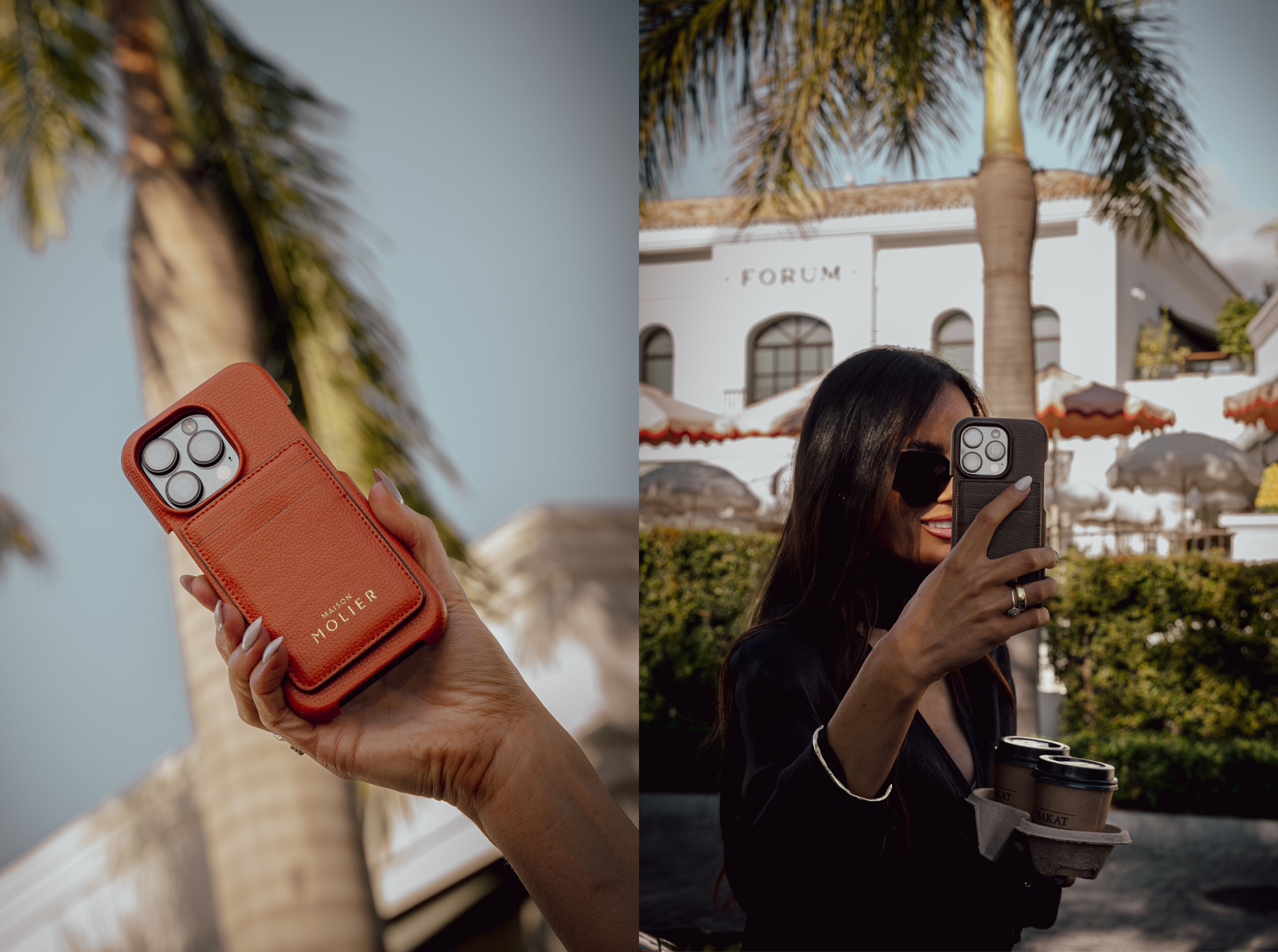
Apple left leather behind in 2023. A look at what the leather iPhone case became, who fills the gap, and why a handmade Saffiano case from Italy answers what the category forgot.

Leave a comment
All comments are moderated before being published.
This site is protected by hCaptcha and the hCaptcha Privacy Policy and Terms of Service apply.