
The Evolution of the MagSafe Wallet
The wallet is one of the oldest objects in a pocket. In twenty years it has been quietly hollowed out: cash left first, then loyalty cards, then boarding passes and tickets, and finally the bank card itself moved into the phone. In 2020 the process reversed direction. Apple put a ring of magnets in the back of the iPhone, and the wallet climbed onto the phone. This is how that happened, and what it says about what we carry. If you want the mechanics first, start with what a MagSafe wallet is and how it works.
Before the iPhone: where the name came from
MagSafe did not begin as a phone accessory. It began as a power plug. On 10 January 2006, announcing the first Intel MacBook Pro, Apple described "a patent-pending MagSafe magnetic power connector, designed especially for mobile users", built so the cable would "safely disconnect from the notebook when there is strain on the power cord".
It was a small idea with an unusual afterlife. Apple removed it when the laptops moved to USB-C, then brought it back on the redesigned MacBook Pro in October 2021, by which point the name had already been reassigned to something else entirely. The through line is worth noting: from the start, MagSafe meant a magnetic connection that is supposed to let go.
Before MagSafe: the wallet becomes smaller
The phone did not empty the wallet by itself. Payment infrastructure did most of the work, and Europe moved fastest.
The European Central Bank's 2024 study of payment attitudes found cash used for 52 percent of point of sale transactions by number, down from 59 percent two years earlier. In the Netherlands, De Nederlandsche Bank put cash at roughly one in five transactions and reported that the average amount of cash people carry had fallen from 46 euro in 2022 to 35 euro in 2024. Cash did not disappear. It stopped being the thing you had to leave the house with.
Leather goods followed the payments. Through the 2010s the bifold gave way to the card holder, a category that had existed for a century as a formal accessory and was suddenly a primary object. Brands were founded on the premise that a wallet should hold four cards and nothing else. What made that possible was not design taste. It was that a card, unlike a note, does not need a fold, and that fewer categories of thing needed carrying at all.
By the end of that decade the everyday carry of a large number of people had shrunk to keys, a phone and a small stack of cards. Then the phone came for the cards too, and the interesting question became what should happen to the stack that remained.
2020: MagSafe changes the back of the iPhone
On 13 October 2020, Apple introduced the iPhone 12 and, with it, MagSafe in its second meaning: "an array of magnets around the wireless charging coil, optimized for alignment and efficiency, that perfectly connects to iPhone every time".
What made the announcement consequential was not the charging. It was the framing. Apple presented MagSafe as a system that "introduces an ecosystem of easy to attach accessories", and it launched that ecosystem itself: a charger, a duo charger, silicone and clear cases, leather cases and a leather wallet. Chargers delivered up to 15W. The wallet delivered nothing at all. It simply held cards.
That is the design decision the rest of this story turns on. Apple could have made the back of the iPhone a mount for battery packs and stands, which it did. It also, in the same breath, made it a place to put a leather good. A magnet ring is a mechanical interface, and mechanical interfaces invite anyone with a workshop.
The wallet moves onto the phone
Watch the object shrink across four steps, and the logic is easier to see than in any of the individual products.
- The bifold. Built around notes, with cards as a secondary compartment. Sized to a jacket pocket.
- The card holder. Notes removed. Sized to the cards themselves, roughly the footprint of a passport photo, and thin enough for a front pocket.
- The magnetic card holder. Same footprint, now with a magnetic back, initially designed to stick to a case with a metal plate. A transitional object, and a slightly awkward one.
- The MagSafe wallet. The footprint of a phone's charging area, with the attachment standardised by the phone maker rather than improvised by the accessory maker.
Each step removes a container function and adds a relationship to another object. The last step is the sharpest, because it changes what the wallet is for. A wallet that lives on a phone is no longer the place you keep things. It is the place you keep the two or three things you would otherwise have had to bring the phone and a wallet for.
2021: the wallet becomes connected
On 14 September 2021, Apple replaced its own leather MagSafe wallet with a second version. The visible change was a set of new colours. The real change was that the wallet joined the network: Apple's description said it now supported Find My, so the owner could be notified of the wallet's last known location if it became separated from the phone.
It is worth being precise about what that feature is, because it is often overstated. There is no tracker inside the wallet. The phone notices the moment the magnetic connection is broken and records where that happened. The wallet does not report its position afterwards. What was added was not tracking but an event: the wallet became something the phone could have an opinion about.
That is a genuine break with five hundred years of leather goods. A card holder had never before been able to participate in anything. From 2021 the category had two branches, one that behaved like an accessory and one that behaved like a peripheral, and independent makers followed quickly: Nomad, for example, now builds a Horween leather MagSafe wallet with Find My tracking of its own.
2023: leather leaves the original ecosystem
On 12 September 2023, in the announcement of its first carbon neutral products, Apple wrote: "To further reduce impact on the planet, Apple is ending the use of leather across all of its product lines, including iPhone accessories and Apple Watch bands. The company will replace leather with a new textile called FineWoven, an elegant and durable twill made from 68 percent post-consumer recycled content."
The reasoning was environmental and stated plainly: leather carries a heavier carbon footprint than the alternative Apple had developed. The consequence for this category was immediate. The company that had created the MagSafe wallet, and had sold it in leather from day one, stopped making leather versions of anything.
There is no need to editorialise about the decision. What matters for the history is the vacancy it created. In three years the leather MagSafe wallet had gone from a format Apple invented to a format Apple no longer participated in, at exactly the moment the format had become widely understood.
2024: what the reversal showed
FineWoven did not go well. The material picked up marks, darkened where hands touched it and wore visibly in months rather than years, and the criticism came from mainstream reviewers rather than from leather traditionalists.
In September 2024, with the iPhone 16, Apple's FineWoven cases disappeared from the store and were replaced by silicone and clear plastic. Apple made no announcement and offered no explanation, so the reversal is reported rather than declared, and it is worth stating it that way. One distinction is routinely lost in the coverage: it was the cases that went. FineWoven wallets stayed, and Apple released new ones in September 2025 alongside a new woven case material called TechWoven.
The episode is instructive rather than embarrassing. A phone accessory is not a phone. It is handled constantly, carried against denim, held in warm hands, and it either ages well or it fails in public. That is a leather goods problem, and it has leather goods answers that are several hundred years old.
The category moves beyond its creator
By 2026 the MagSafe wallet is no longer an Apple product with imitators. It is a format, and it has split into two traditions that barely acknowledge each other.
On one side, the engineered wallet: aluminium shells, mechanical card ejection, integrated trackers, capacities pushed to eight cards or more. Ridge builds one from machined aluminium. Several brands compete on how much can be attached to a phone before it stops being a phone.
On the other, the leather houses. Montblanc sells a Sartorial leather card wallet for iPhone with MagSafe that holds two cards. Bellroy makes a three card version. Smaller ateliers across Italy, Spain and the Netherlands are producing MagSafe wallets in vegetable tanned and grained leathers, cut and finished the way a card holder has always been cut and finished, with the magnet array as the only new component in an otherwise conventional construction.
The standard itself has meanwhile stopped belonging to one company. The Wireless Power Consortium built Qi2 around a Magnetic Power Profile based on MagSafe technology contributed by Apple, announced in January 2023 and extended to 25W in July 2025. Android phones have begun to adopt magnetic attachment on the same physical principle. The magnet ring on the back of a phone is becoming an industry fitting, like a lens thread or a watch lug.
From tech accessory to leather good
For a new generation of leather houses, MagSafe has created an unusual design category: an object that belongs equally to technology and to traditional leather goods. It is specified by a magnet standard and judged by how it looks after a year in a pocket. The mechanics of that standard, and what a wallet needs from a case, are set out in does MagSafe work through leather. Very few objects are assessed on both.
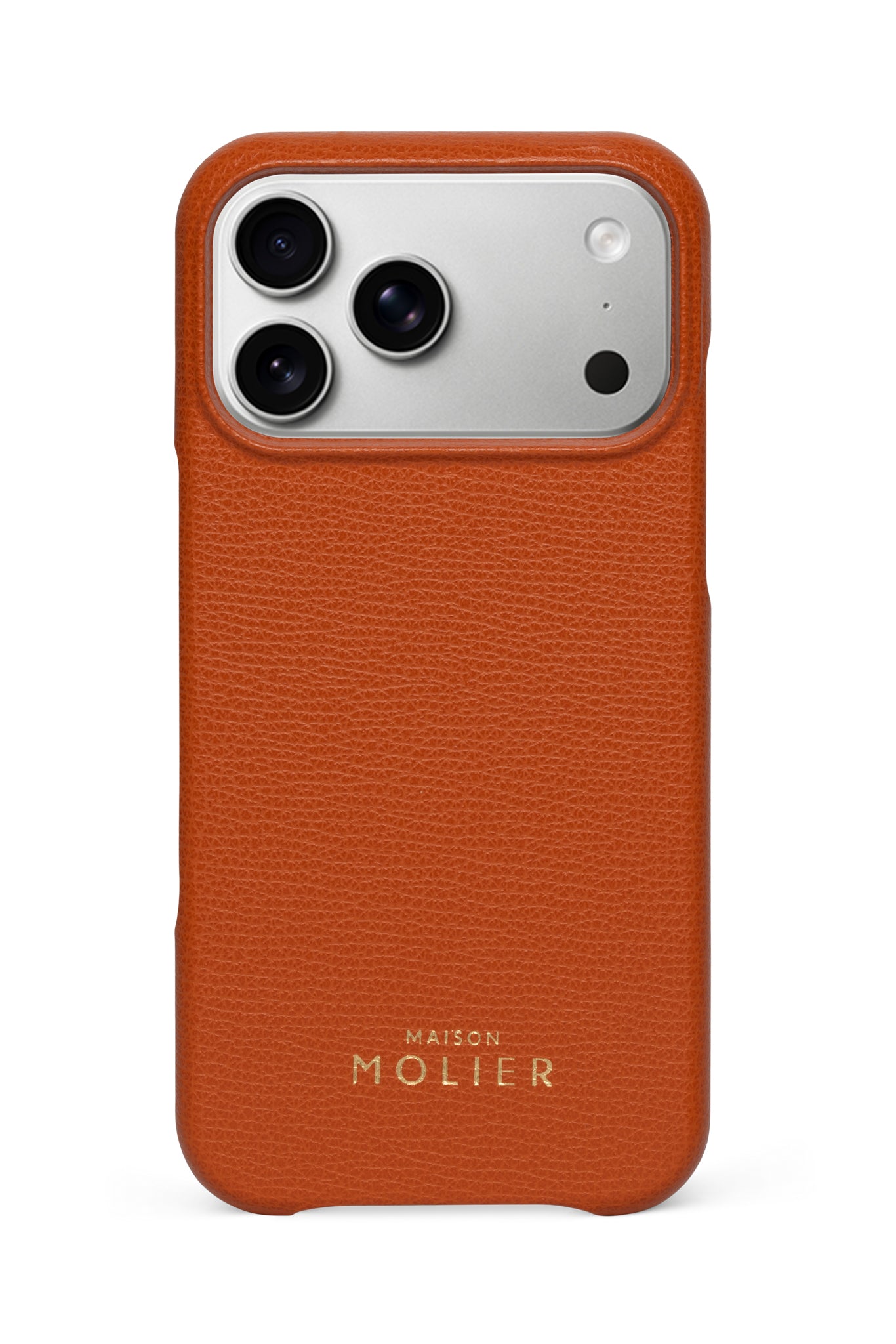
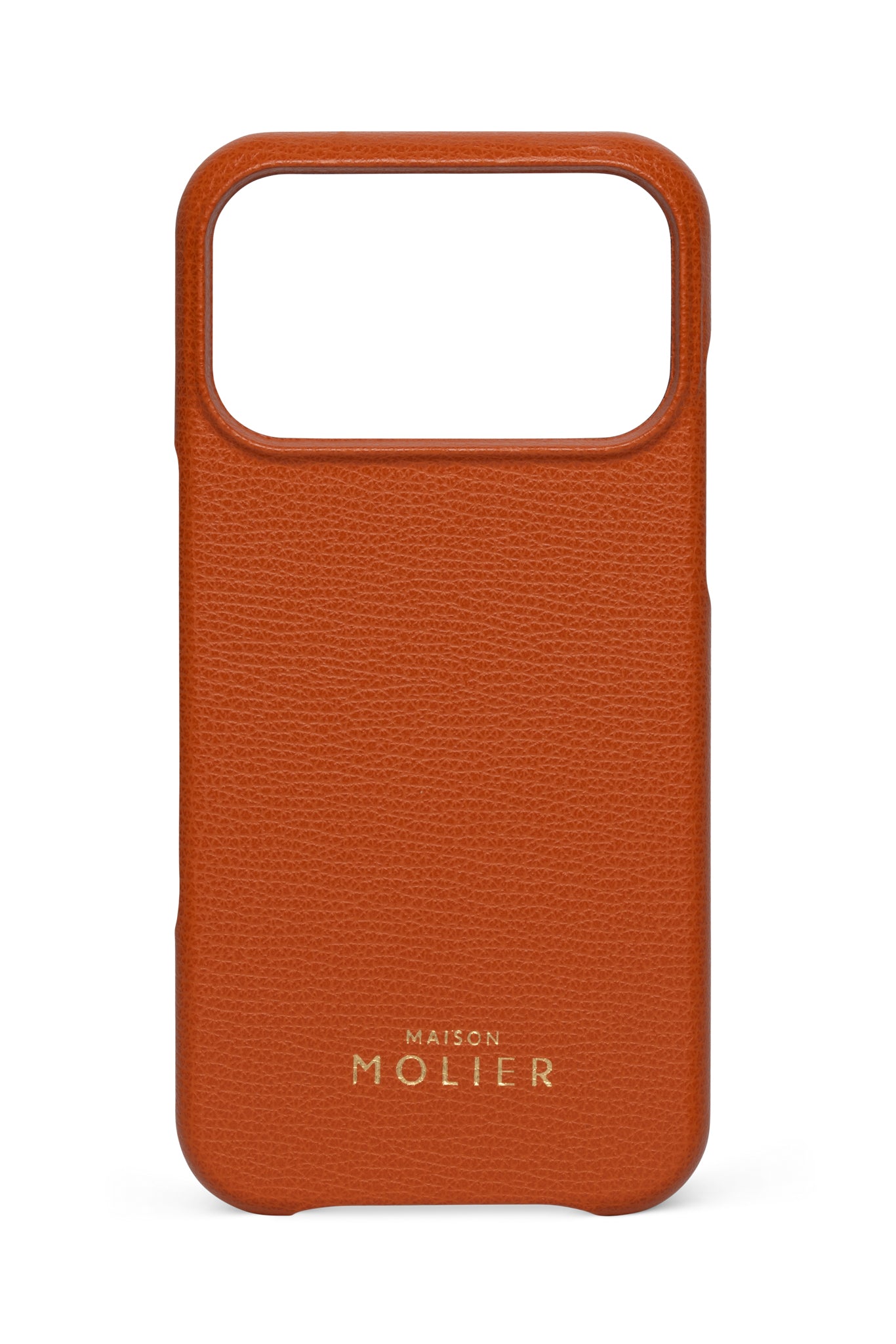
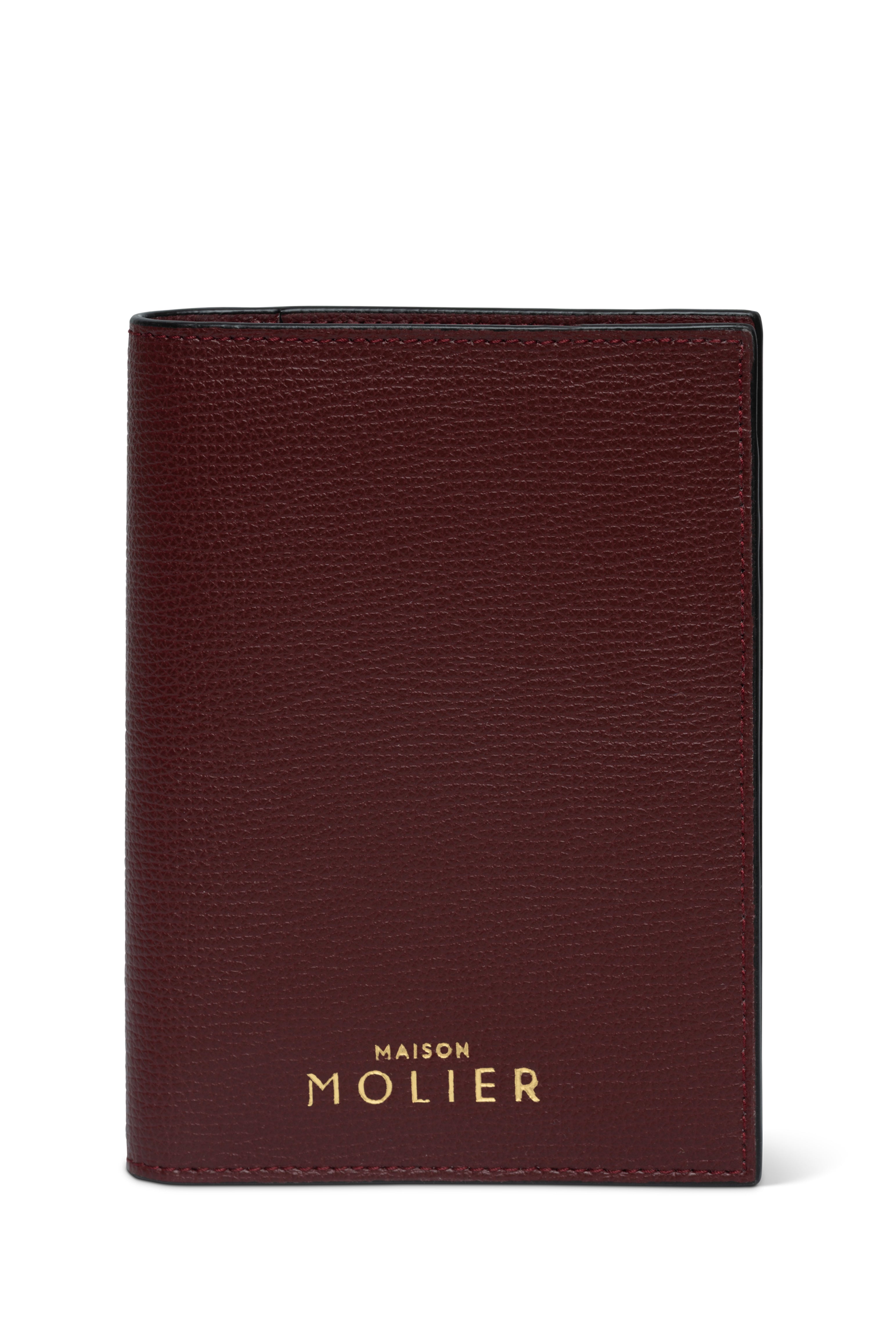
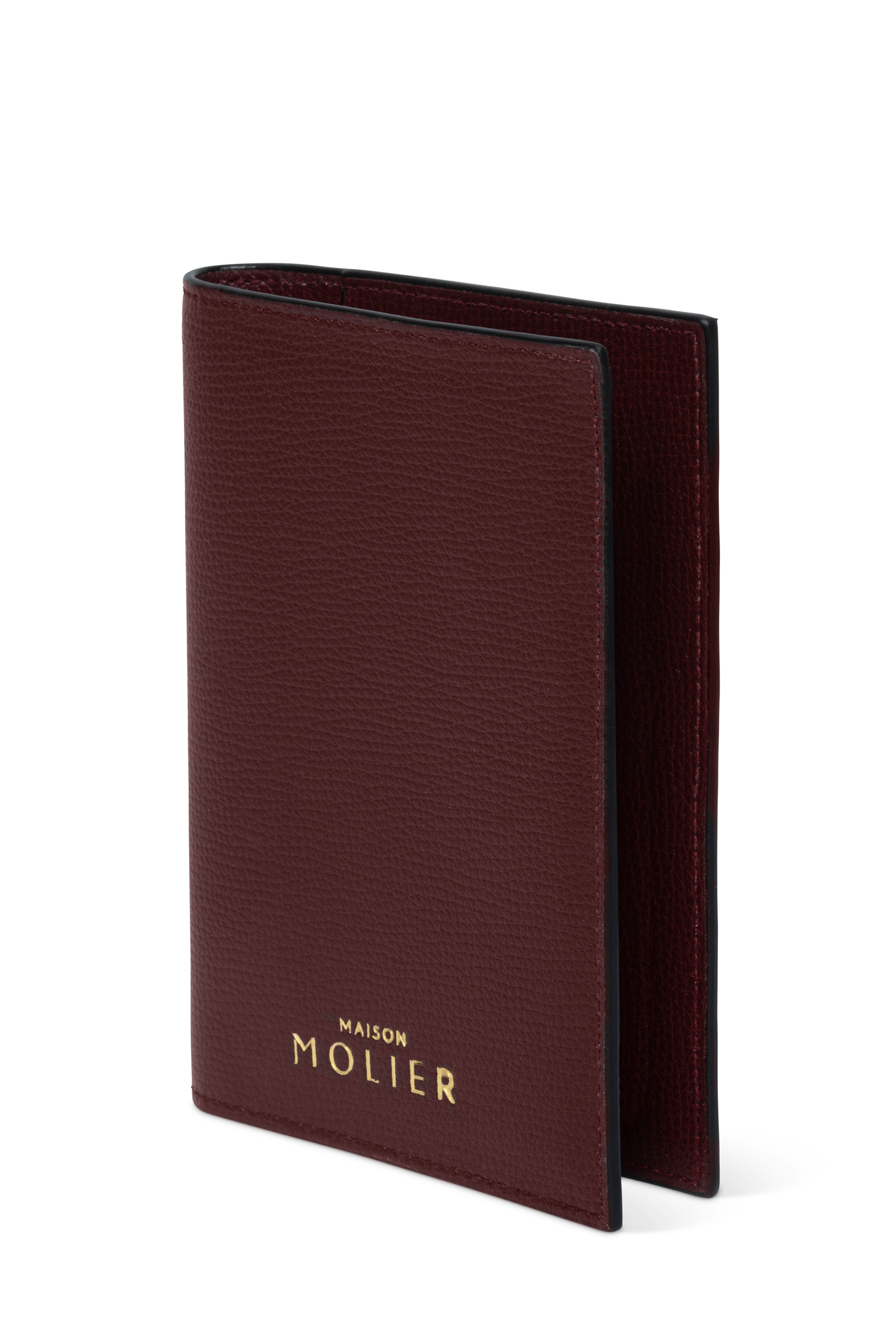
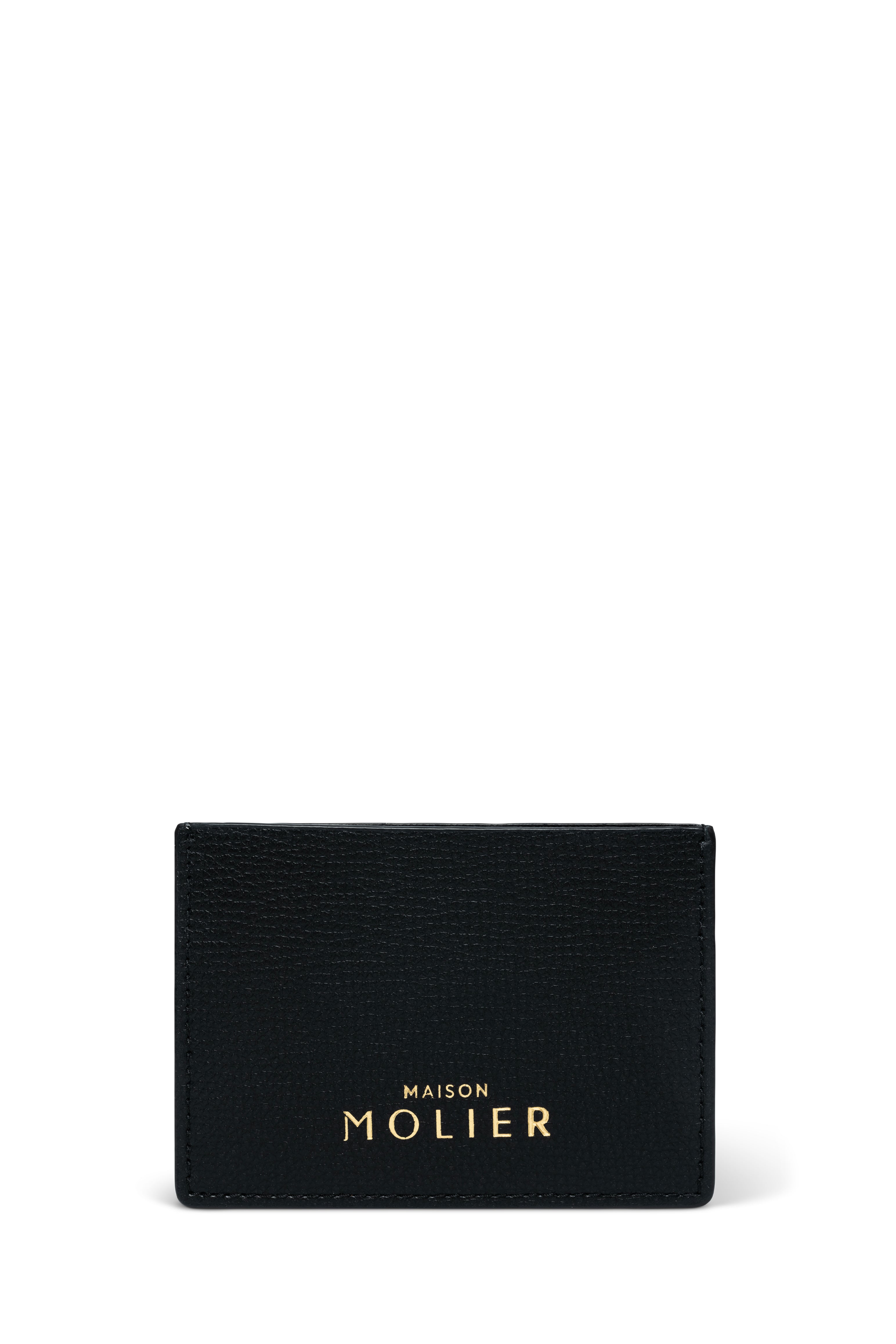
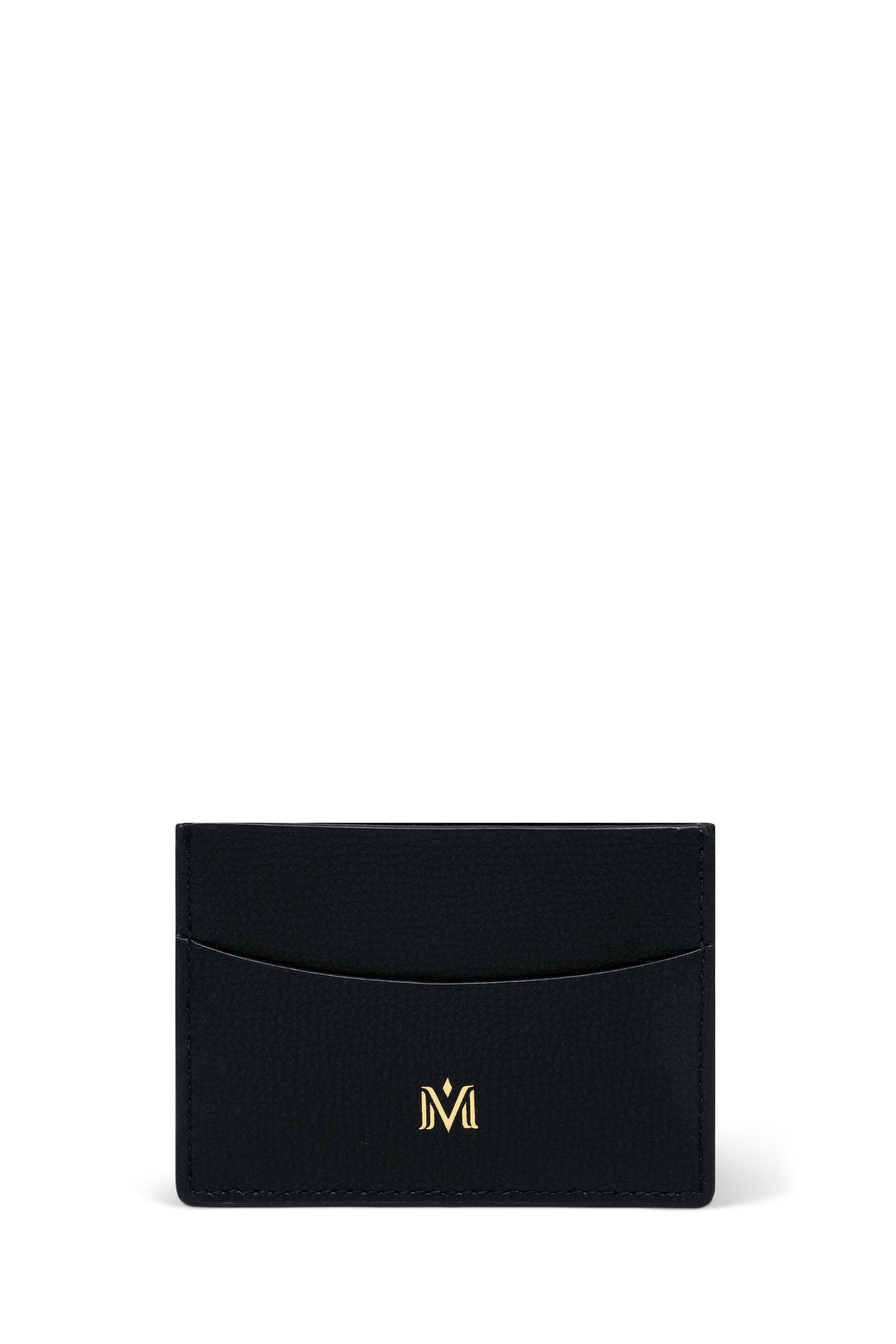
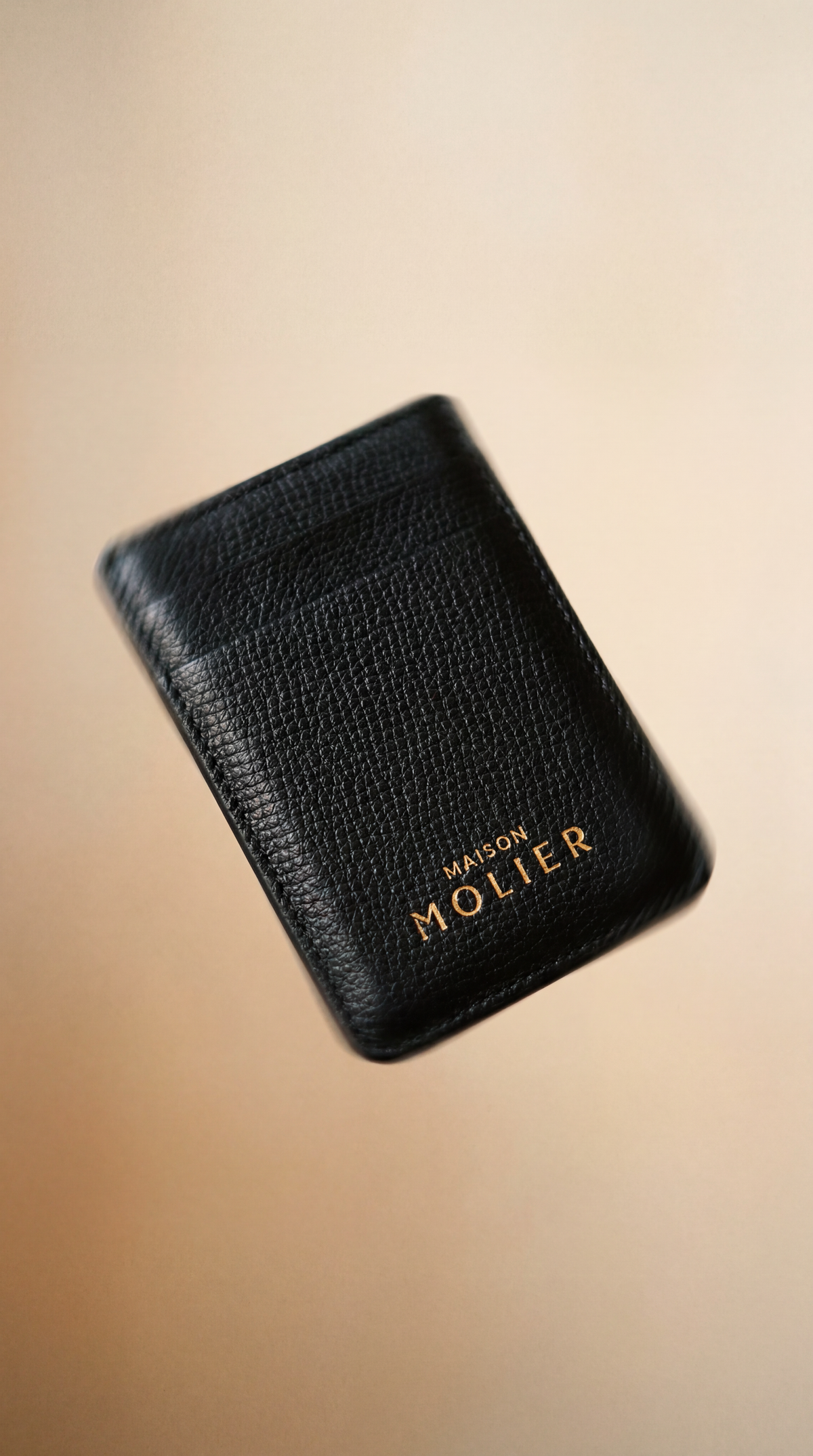
Maison Molier is one of the houses working from that second half. Its MagSafe Wallet is designed in the Netherlands and made in Italy in full-grain Saffiano cow leather, and it holds two cards, an ID and a bank card, which is a position on what the object is for rather than a limitation. The same house makes leather iPhone cases to sit under it, and describes how and where they are made.
None of that is a technical claim. It is the older argument, applied to a new fitting: that an object handled a hundred times a day should be made of something that improves with handling.
What comes after the wallet?
The trajectory is not hard to read. Payment moved into the phone. Identity is moving in behind it: driving licences now live in Apple Wallet in more than a dozen US states, Japan supports the My Number card, and European digital identity schemes are being built on the same assumption. Keys are following, in cars and hotels and offices. Each of those transitions removes another physical card from the stack.
Which points at an odd conclusion. The number of cards worth carrying is going down, not up, and the magnetic wallet is not a growth category in the way accessory brands describe it. It is a shrinking one, converging on a very small number of objects: the identity document your country has not digitised yet, the card your bank has not yet made virtual, and whatever piece of paper you personally refuse to give up.
That is a good outcome for the leather houses and a difficult one for the engineered wallet. When the format finally reduces to two cards on the back of a phone, the specification stops mattering and only the object is left. What it is made of, how it is cut, and whether it looks better in a year than it did on the first day.
The MagSafe wallet timeline: quick answers
When did the MagSafe wallet appear?
On 13 October 2020, with the iPhone 12. Apple launched the magnet system and its own leather wallet at the same time.
Where does the name MagSafe come from?
From the magnetic power connector Apple introduced on the MacBook Pro on 10 January 2006. The name was reassigned to the iPhone magnet system in 2020, and returned to the MacBook Pro in October 2021.
When did the MagSafe wallet get Find My?
On 14 September 2021, with the second version of Apple's leather wallet, which could report the last known location where it was separated from the phone.
Why did Apple stop making leather MagSafe wallets?
On 12 September 2023 Apple announced it was ending the use of leather across all of its product lines and replacing it with FineWoven, a twill made from 68 percent post-consumer recycled content.
Did Apple discontinue FineWoven?
The FineWoven cases disappeared from the store in September 2024 and were replaced by silicone and clear plastic, which was reported rather than announced. FineWoven wallets continued, and new ones followed in September 2025.
Is MagSafe the same as Qi2?
Not the same, but related. The Wireless Power Consortium built Qi2 around a Magnetic Power Profile based on MagSafe technology contributed by Apple.
See the MagSafe Wallet in six colours, or the full range, made fully in Italy.
Read more
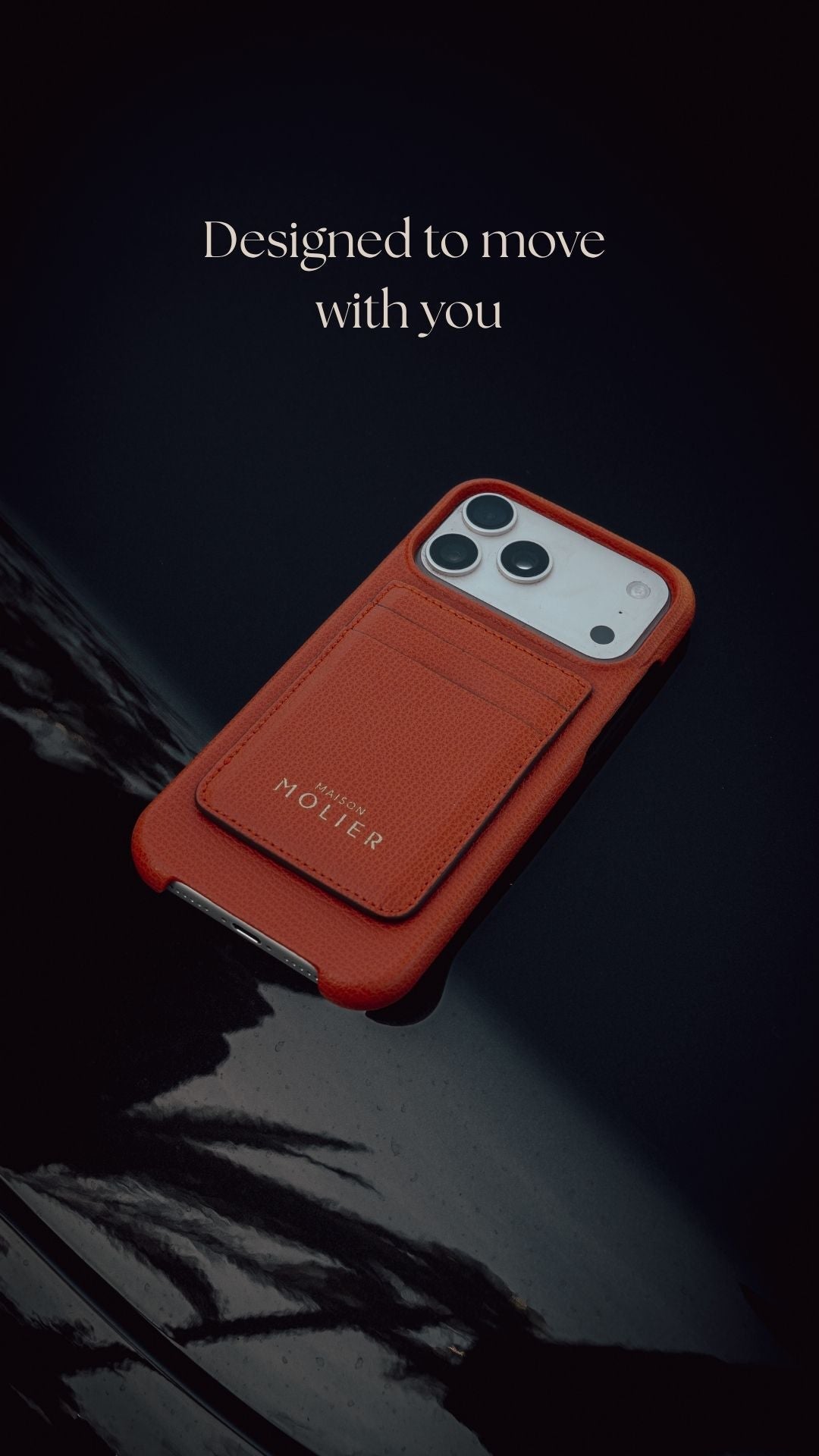
A MagSafe wallet is a card holder that snaps magnetically onto the back of an iPhone. How the magnets work, which iPhones take one, how many cards it holds, whether your cards are safe, and what se...
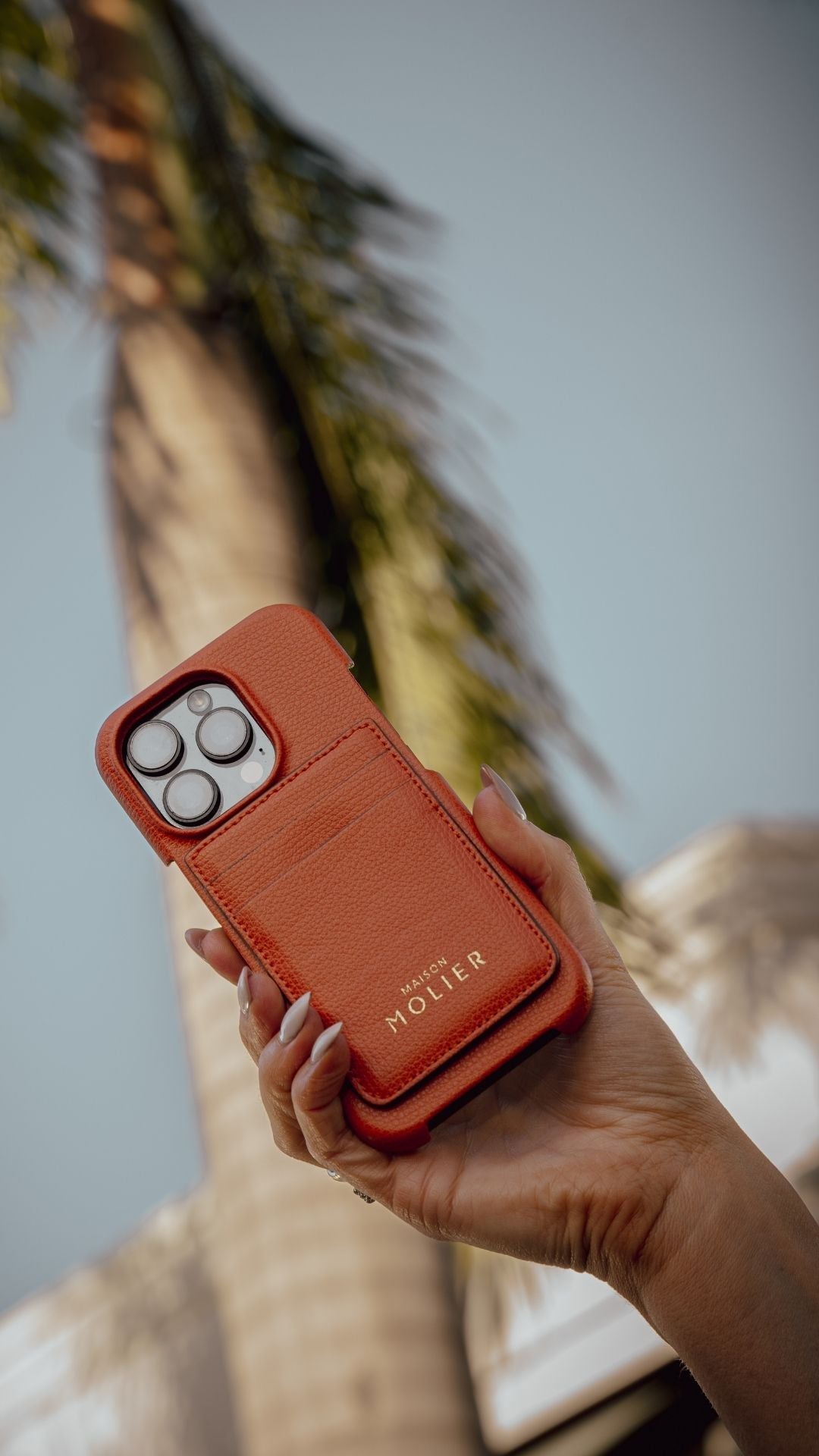
Yes, when the case is built for it. Leather does not block magnets or wireless charging: what decides the hold is case thickness and whether the case carries its own magnet array.

Leave a comment
All comments are moderated before being published.
This site is protected by hCaptcha and the hCaptcha Privacy Policy and Terms of Service apply.