
What Is a MagSafe Wallet? How It Works and Why It Matters
A MagSafe wallet is a card holder that attaches to the back of an iPhone with magnets. It appeared in 2020 alongside the iPhone 12, and it has quietly changed what people carry: for a growing number of them, the phone now holds the cards as well. This guide explains what the object is, how the magnets work, which iPhones take one, what it can safely hold and how to judge a good one from a poor one.
What is a MagSafe wallet?
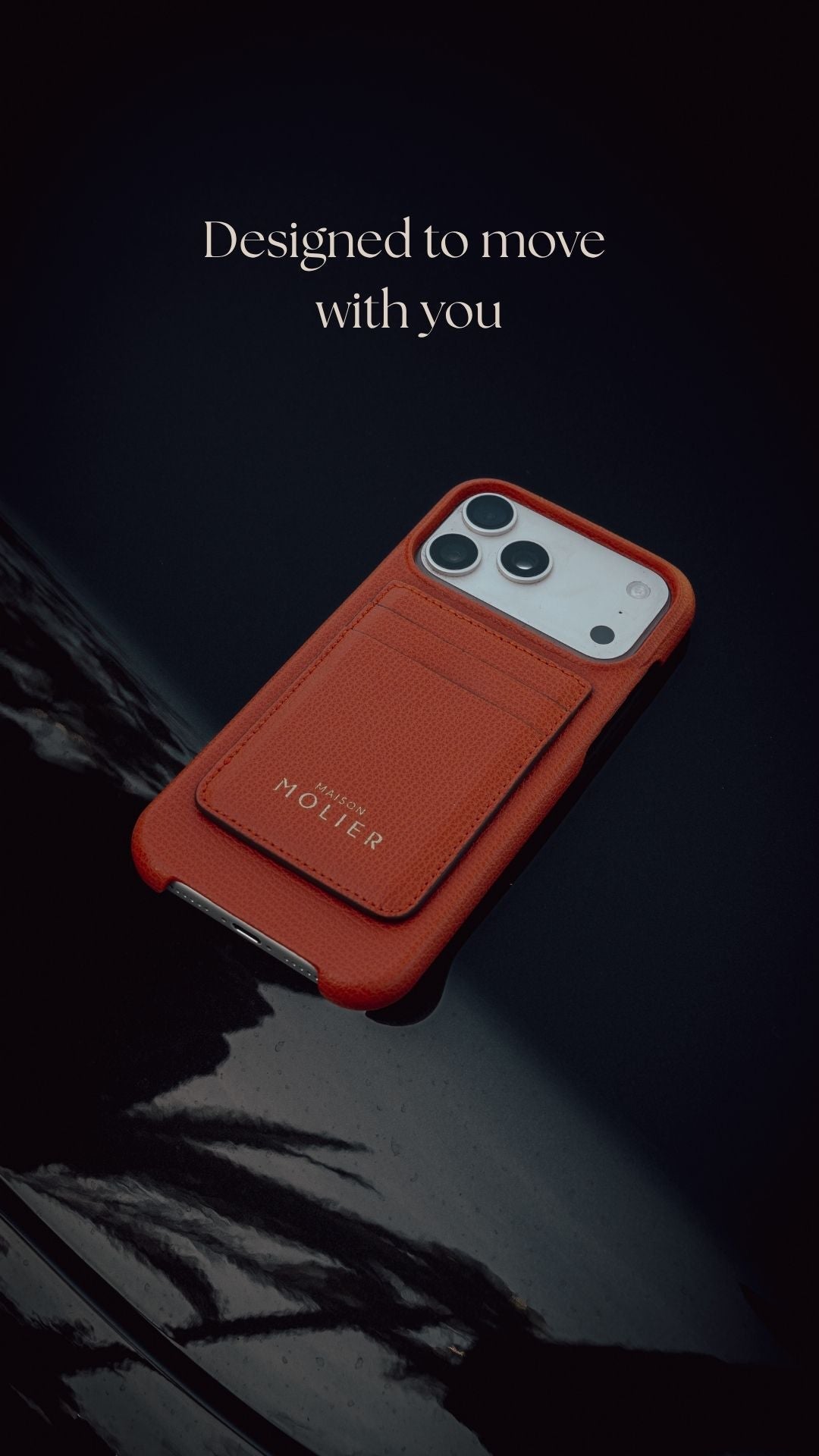
A MagSafe wallet is a slim card holder that snaps magnetically onto the back of a MagSafe iPhone, or onto a MagSafe case. It carries payment cards, an ID or a transit pass, and it comes off in one movement. It has no clasp, no strap and no charging function of its own. It exists because the phone is already in your hand.
Apple introduced the format with the iPhone 12 in October 2020 and sold its own leather version from the start. The name comes from the magnet system in the phone, not from the wallet: any accessory built to that magnet pattern can attach, which is why the category now runs from unbranded plastic to leather made by houses that have been cutting card holders for a century. We traced that shift in the evolution of the MagSafe wallet.
How does a MagSafe wallet work?
Inside the back of the iPhone is a ring of magnets. Apple describes MagSafe as "an array of magnets around the wireless charging coil, optimized for alignment and efficiency". Apple's own technical specifications for current iPhones list the parts by name: a magnet array, an alignment magnet, accessory identification over NFC and a magnetometer.
The wallet carries the matching half of that system. Bring it close to the back of the phone and the two magnet rings pull into position, centred, with an audible click. Nothing is paired, powered or configured. The alignment magnet sets the rotation so the wallet sits square rather than at an angle, and on officially licensed accessories the NFC identification lets the phone recognise what has been attached.
The holding force is deliberate rather than maximal. It has to survive a pocket and a bag, and it has to release when you pull the wallet off with one thumb. That balance, not the number of magnets, is what separates a wallet that stays on from one that does not.
Which iPhones work with MagSafe wallets?
Every iPhone from the iPhone 12 generation onwards carries the MagSafe magnet array: iPhone 12, 13, 14, 15, 16 and 17, in their standard, Plus, mini, Pro and Pro Max variants. Apple's technical specifications for the iPhone 16 and iPhone 17 list MagSafe and Qi2 charging at up to 25W.
Two exceptions matter when buying:
- iPhone 11 and earlier. No magnet array. A MagSafe wallet will not attach at all.
- iPhone SE, and the iPhone 16e. Apple's specification page for the third-generation iPhone SE lists wireless charging with Qi chargers and no MagSafe hardware. The iPhone 16e, reported and listed the same way, charges over standard Qi without the MagSafe magnet array. Both take a magnetic wallet only through a case that adds its own magnets.
Android phones are moving toward the same idea through Qi2, which uses a magnetic profile derived from MagSafe. Attachment behaviour varies by model, so check the phone rather than the brand.
Do you need a MagSafe case?
No. A MagSafe wallet attaches directly to a bare MagSafe iPhone, and that is the strongest connection available, because nothing sits between the two magnet rings.
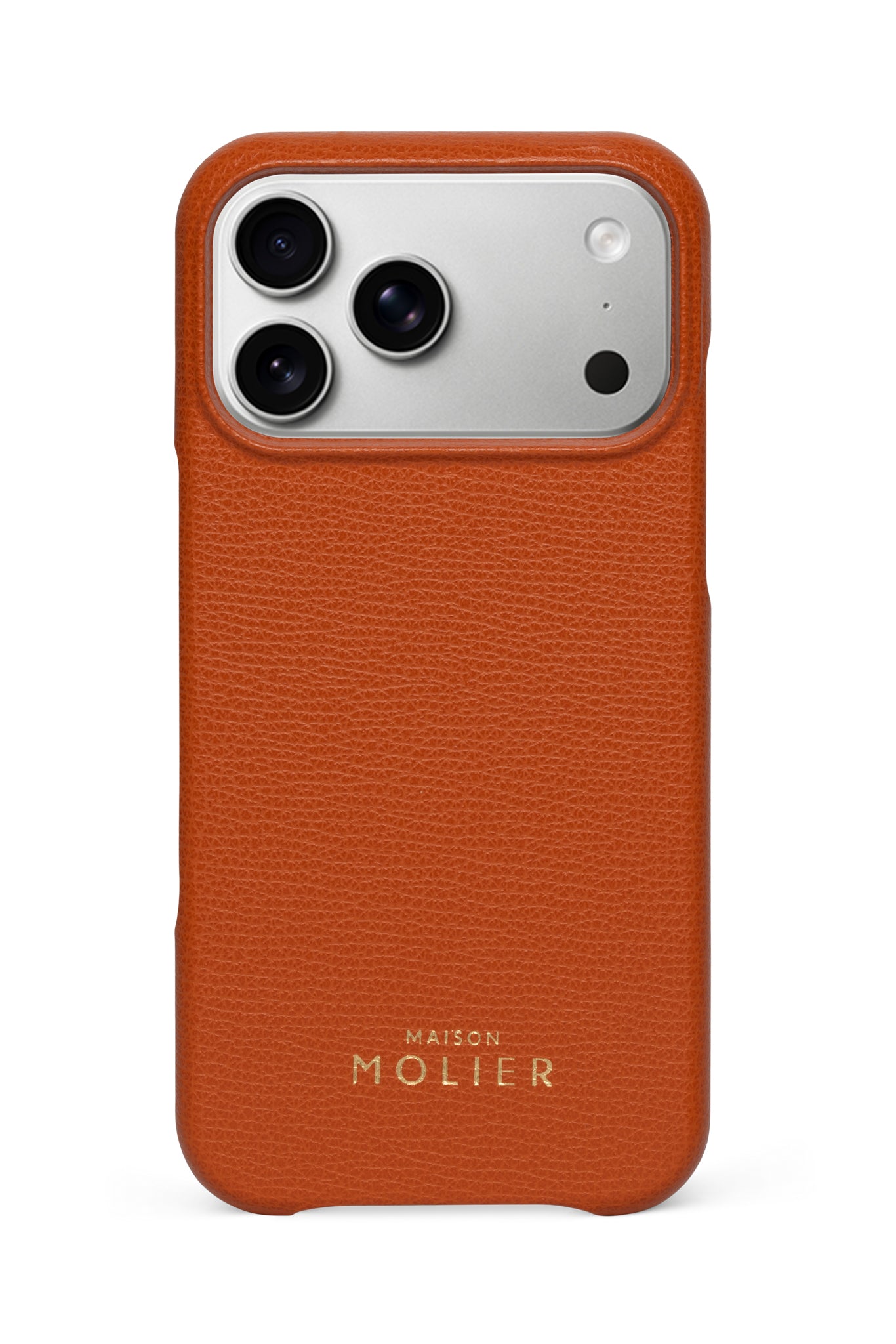
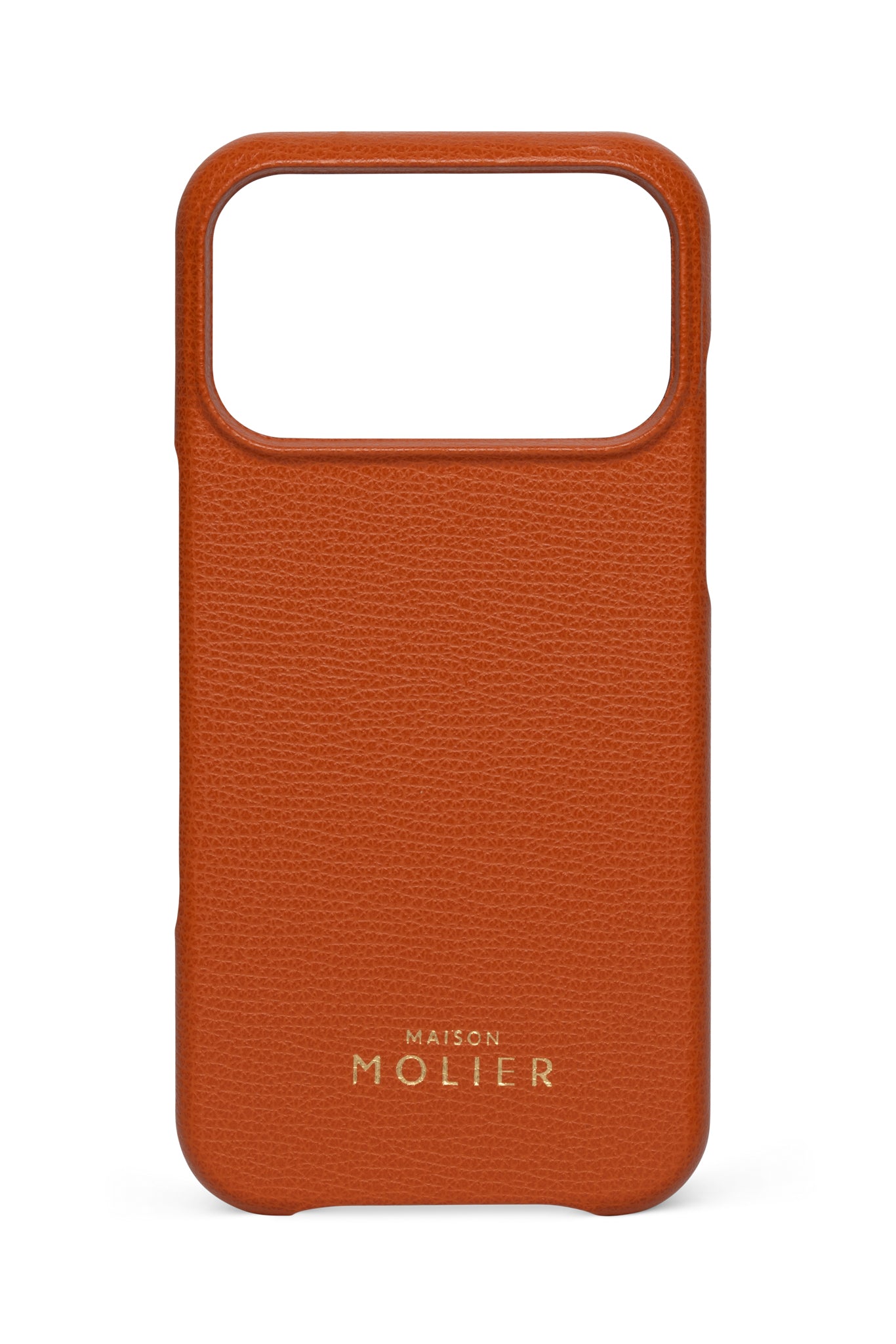
If you use a case, the case decides what happens next. A case built with its own magnet array passes the alignment through and holds the wallet as firmly as bare glass. A case without magnets asks the phone's magnets to reach through the material, which weakens with every extra millimetre and is the usual reason a wallet slides down or drops in a coat pocket. Case material is not the issue. Case construction is, and we take that apart in does MagSafe work through leather. If you are still choosing a case, our guide to buying an iPhone case works through the same decision.
How many cards does a MagSafe wallet hold?
Between two and eight, depending on the design. Apple's own wallet holds up to three. Accessory brands sell five and eight card versions, which stand further off the back of the phone and change how the phone sits in a pocket.
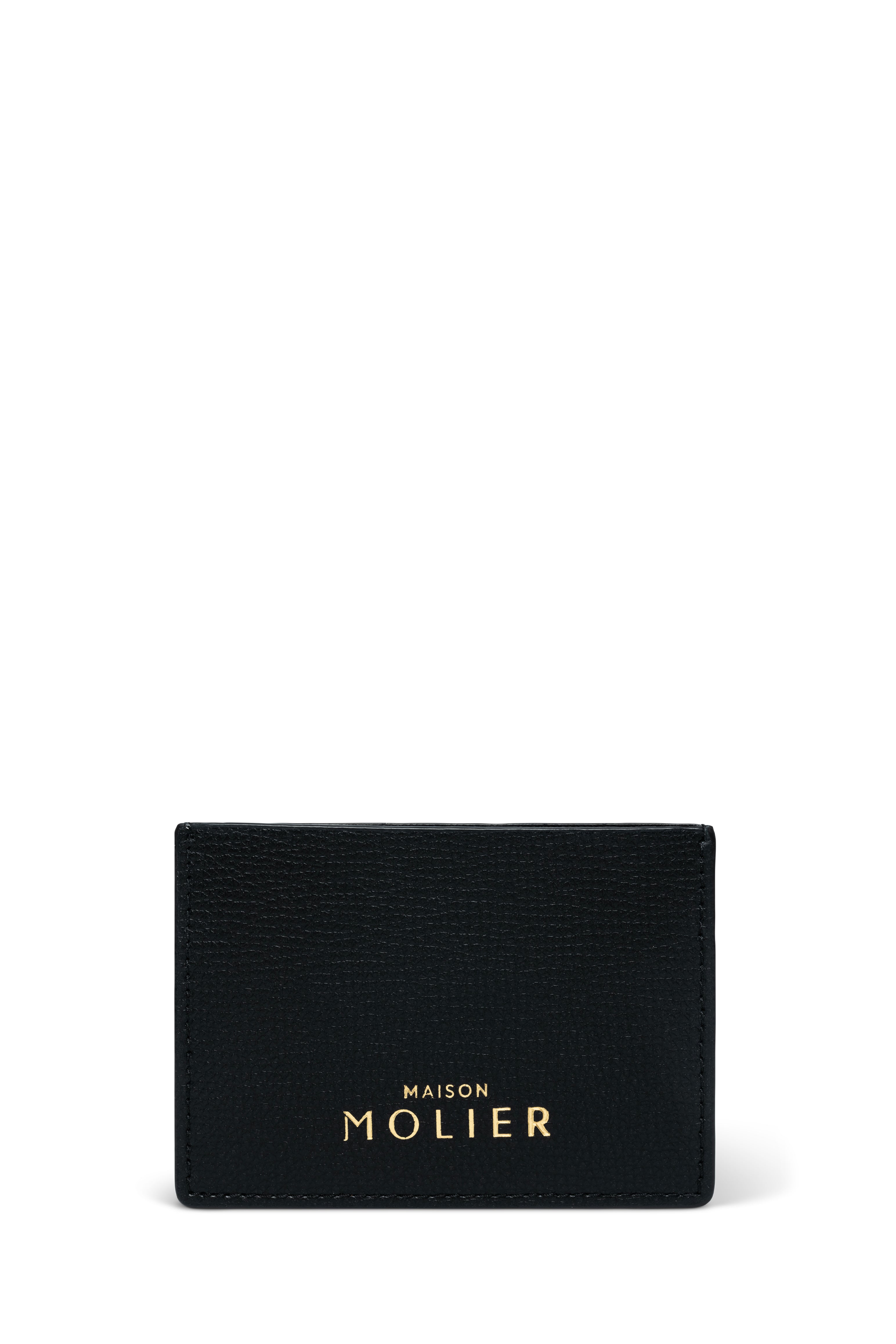
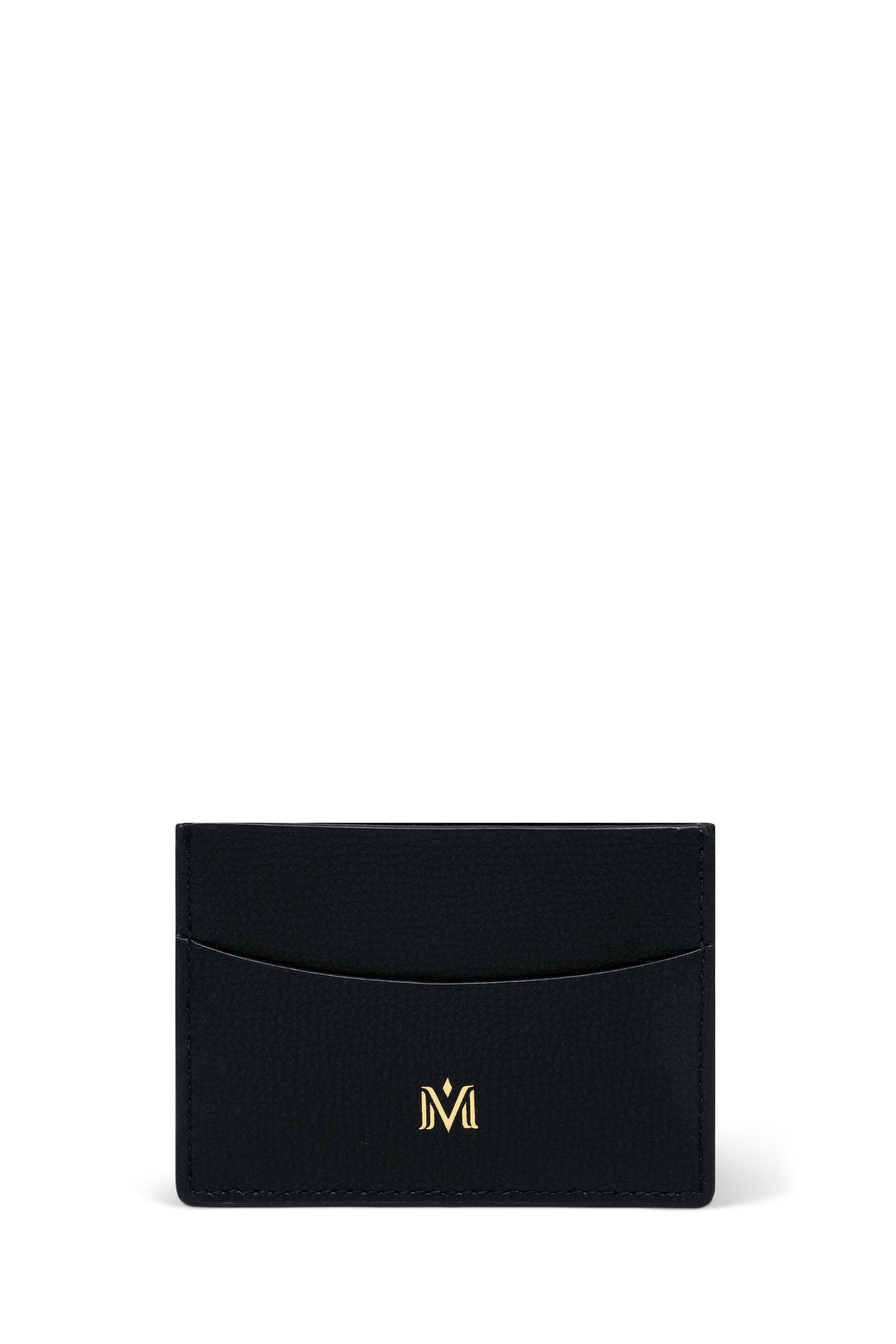
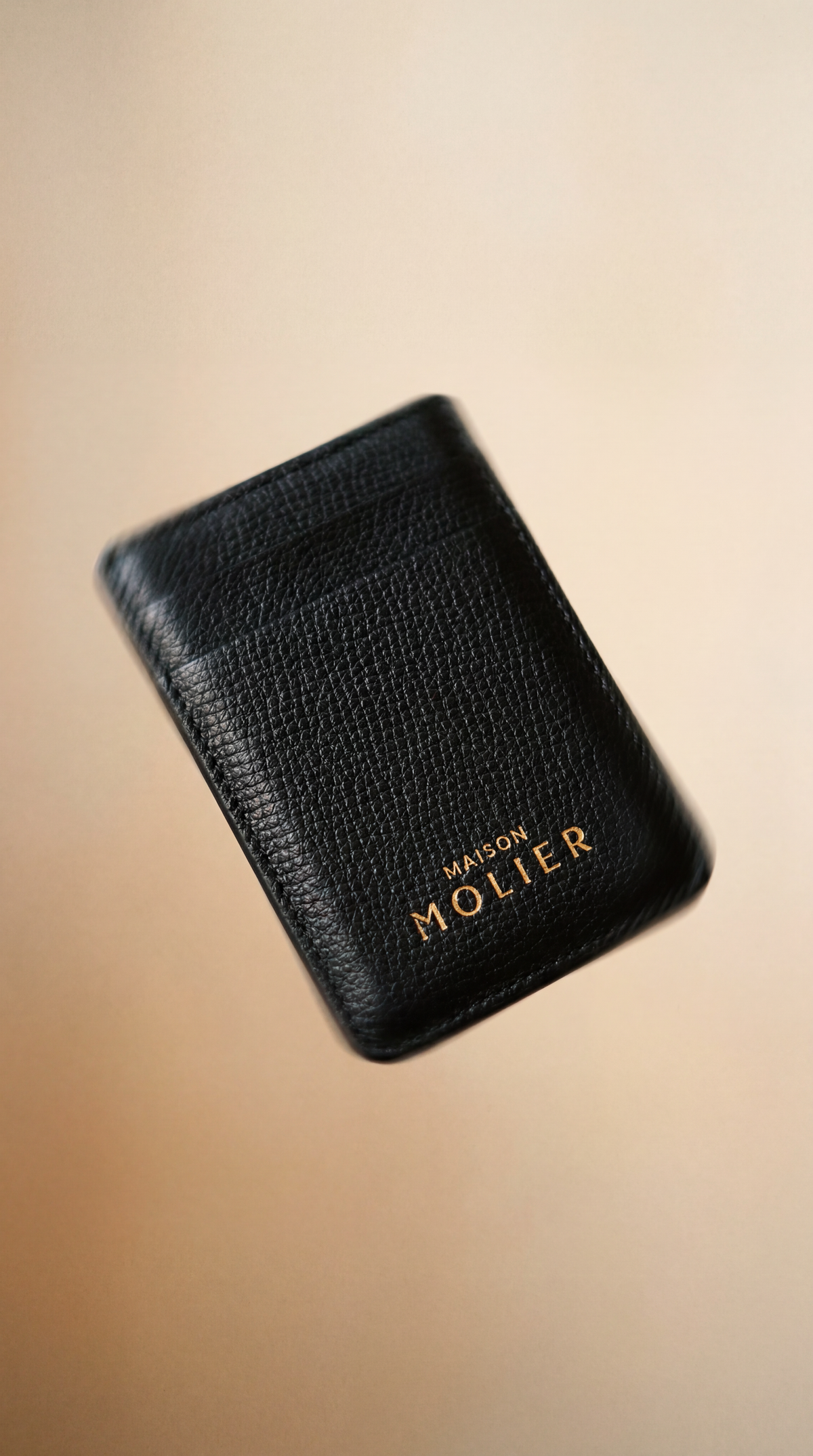
Capacity is a design decision, not a quality one. Cards stack: each one adds thickness in the exact place where the phone is thickest already, and a wallet loaded to its limit is the one that catches on a pocket seam and gets pulled off. A minimalist design can deliberately carry fewer cards. The Maison Molier MagSafe Wallet, for example, is built for two, an ID and a card that sit flush without pushing the leather out of shape, in full-grain Saffiano cow leather.
The honest test is not how many cards fit. It is how many you actually use in a week. For most people that is a bank card and one other thing.
Are MagSafe wallets safe for credit cards?
For modern payment cards, yes. The chip and the contactless antenna in a current bank card are not affected by the magnets in a phone or a wallet. What magnets can affect is a magnetic stripe, and stripes now survive mostly on hotel key cards, older transit passes, access badges and some gift cards.
Apple's own guidance is worth quoting precisely, because it is about charging rather than carrying: "Don't place credit cards, security badges, passports, or key fobs between your iPhone and MagSafe Charger, because this might damage magnetic strips or RFID chips in those items." The risk described there is the sandwich, a card pressed between the phone and an active charger, not a card sitting in a wallet on the back of a phone in your pocket.
The practical rule: carry chip and contactless cards without concern, keep hotel keys and stripe-only badges out of the stack, and take the wallet off before you put the phone on a charger.
Can you charge your iPhone with the wallet attached?
Take it off. The wallet occupies the exact circle the charger needs, so a MagSafe charger cannot align to the phone through it, and cards left between the phone and the charger are the one situation Apple explicitly warns against.
A case is different. A MagSafe case is designed to stay on while charging. It is the wallet, and anything else stacked on top of it, that comes off first. In practice this is a one second habit, and it is the same movement you use to take a card out.
Does a MagSafe wallet fall off?
A well made one, attached directly to the phone or to a case with a proper magnet array, stays on through a normal day: a jeans pocket, a bag, a coat. It is designed to be removed by hand, so it will come off if you drag the phone out of a tight pocket wallet-first, or if you catch it on a car seat belt.
Three things predict failure, and none of them is the price. A case without magnets. A wallet loaded beyond its intended capacity, which levers itself off the magnets. And a weak or badly positioned magnet ring in a cheap accessory, which feels loose the first time you attach it. If the click is soft and the wallet can be slid sideways with a thumb without lifting, it will not survive a winter coat.
Leather versus synthetic MagSafe wallets
The comparison people expect is durability. The more useful one is how each material fails, because every wallet on the back of a phone is handled dozens of times a day.
- Polycarbonate and TPU. Cheap to produce and dimensionally stable. It scuffs to a dull grey, and there is no way back from that.
- Silicone. Grippy in the hand, and it collects lint and pocket dust in a way that shows within weeks.
- Coated fabric and microfibre twill. Light and soft to the touch. It absorbs oil from hands and denim dye from pockets, which is what made Apple's FineWoven wallets and cases the most criticised accessories the company has released.
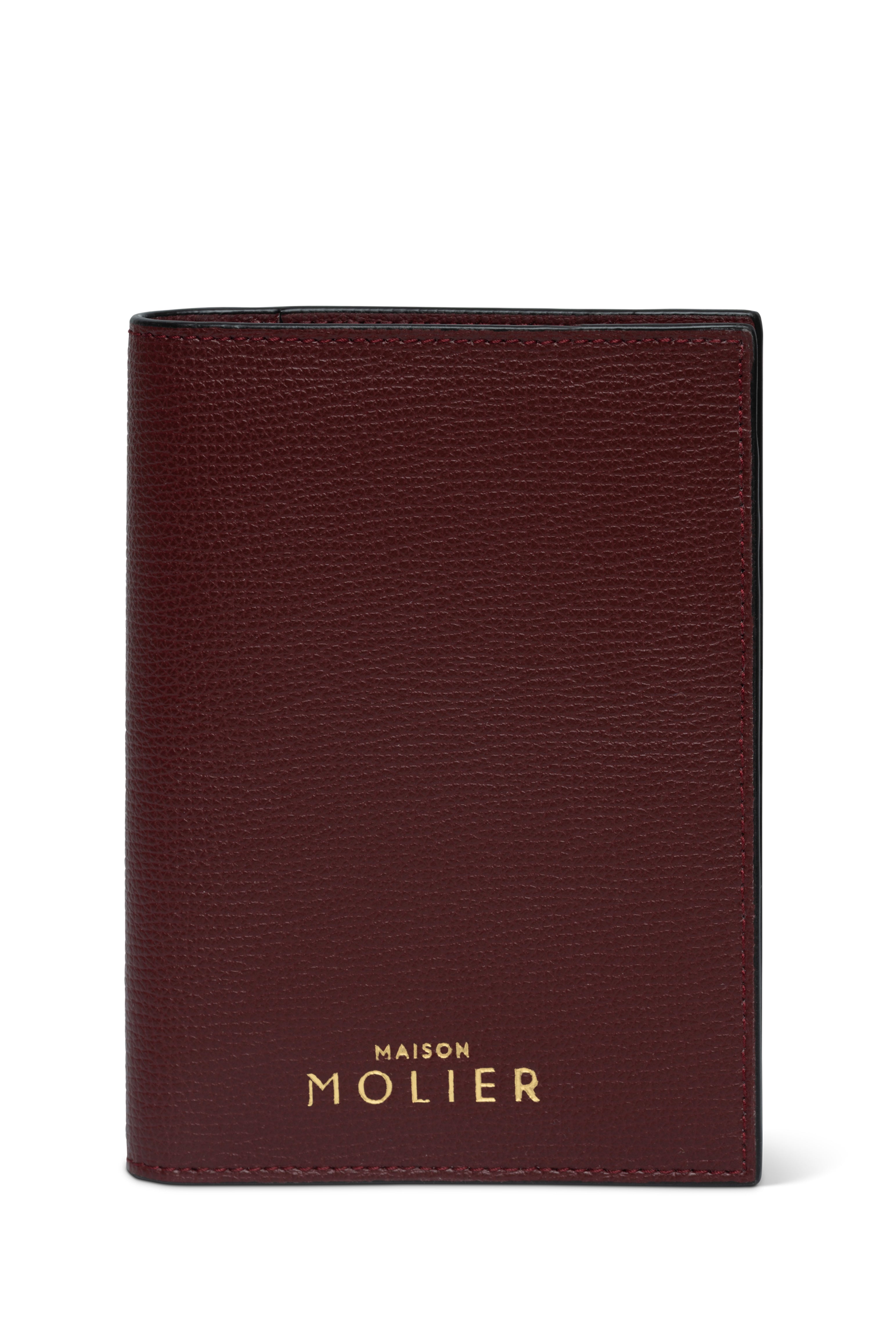
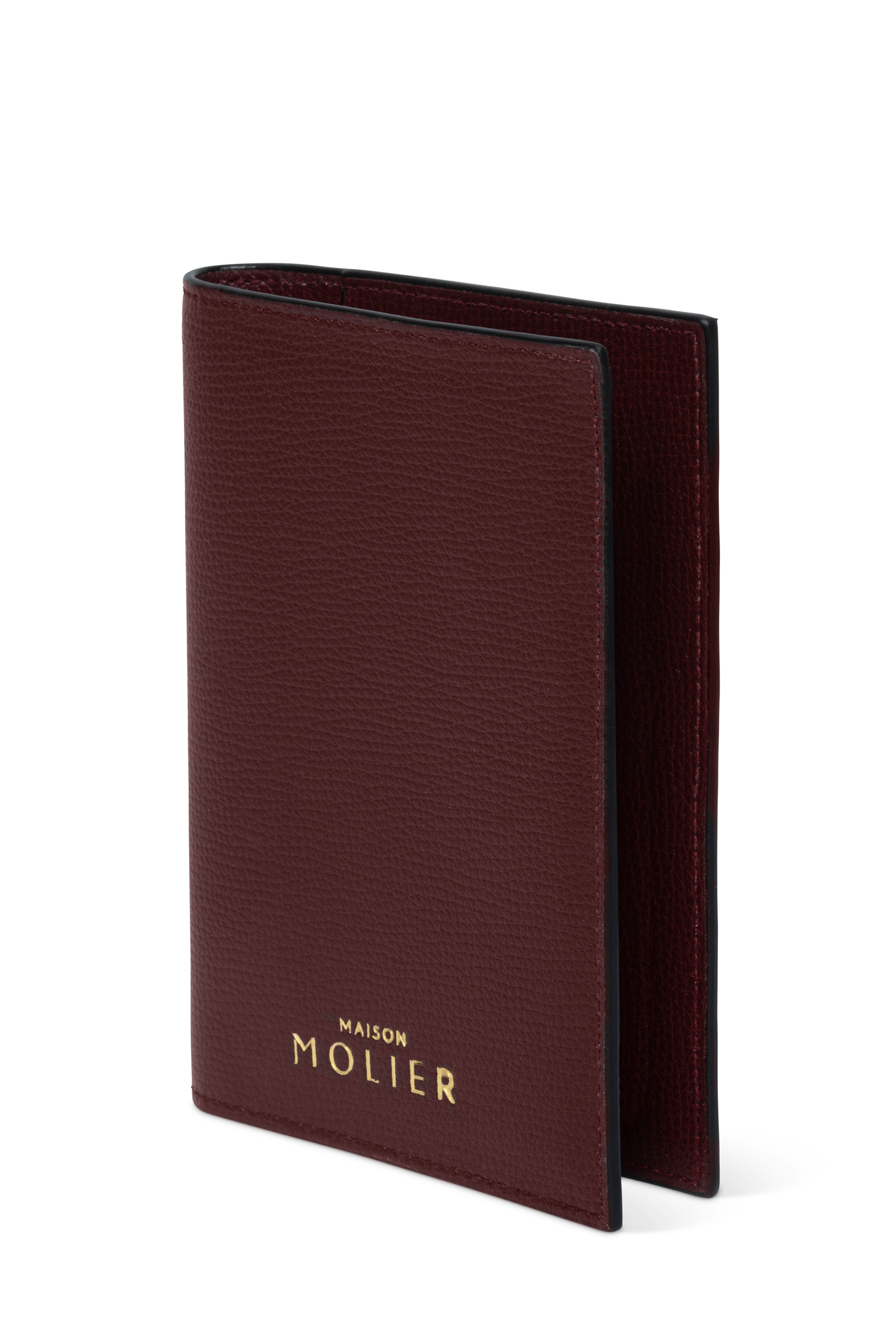
- Full-grain leather. The only material on this list that improves with handling. It takes on a patina where fingers touch it most, and a grained finish such as Saffiano resists the scratches that show first on smooth leather.
- Split leather and bonded leather. Sold as leather, built from what is left after the strong top layer is removed, and it cracks at the fold. The word "leather" on a label is not a specification.
The material also decides how the wallet ages against the phone. A card holder pressed against a warm glass back all day, taken off and put back several times a day, is a harder test of a material than a wallet that lives in a bag.
What should you look for in a MagSafe wallet?
- Attachment. A firm centred click, and no sideways slide when you push it with a thumb. Look for a stated magnet array, and for "Made for MagSafe" if certification matters to you: it means Apple licensed the accessory and it carries NFC identification.
- Capacity you will use. Two or three cards keeps the phone pocketable. More cards means more height, and more leverage against the magnets.
- The card mouth. Cards should come out with a thumb push and go back without force. This is the part most cheap wallets get wrong, either too tight to use or so loose that a card walks out in a bag.
- Material named precisely. "Full-grain" and a tannery or a country of manufacture is a specification. "Genuine leather" and "quality materials" are not.
- Edge finish. Cut edges that are painted or burnished stay closed. Raw glued edges lift, and once they lift they collect dirt.
- Where it is made. Almost everything in this category is made in the same handful of factories. A house that names its atelier is telling you something the others cannot.
MagSafe, Qi2 and what the names mean
MagSafe is Apple's magnet and charging system for the iPhone. Qi2 is the industry standard that took the same idea to everyone else: the Wireless Power Consortium built Qi2 around a Magnetic Power Profile based on MagSafe technology contributed by Apple, which is why a Qi2 phone and a MagSafe accessory speak the same physical language.
For a wallet the distinction is small but real. Attachment depends on the magnet ring, so a wallet will hold on any phone that carries one. Charging speed and certification live in a different part of the specification, and matter for chargers rather than for card holders.
Is a MagSafe wallet worth it?
It depends on one question: do you already take the phone everywhere you go? If the answer is yes, the wallet is not an extra object, it is one fewer. Cash use keeps falling across Europe, cards are contactless, and for a lot of people the daily carry has already shrunk to a phone and two cards.
If you carry cash, receipts, a driving licence and a stack of loyalty cards, a MagSafe wallet is a supplement rather than a replacement, and a traditional card holder still does more. And if the phone is often out of your hands, on a table, lent to someone, handed over at a counter, then keeping your ID on the back of it is a habit worth thinking about before you adopt it.
The object is at its best when it is honest about being small. Two cards, on the thing you are holding anyway.
MagSafe wallets: quick answers
Does a MagSafe wallet work without a case?
Yes, and that is the strongest attachment there is. The wallet's magnets meet the phone's magnet array directly, with nothing in between.
Will a MagSafe wallet demagnetise my bank card?
Chip and contactless cards are not affected. Magnetic stripes can be, so keep hotel keys and stripe-only badges out of the wallet, and never leave a card between the phone and a charger.
Can I charge my iPhone with the wallet on?
No. Remove the wallet first. The charger needs the same circle the wallet occupies, and Apple warns against leaving cards between the phone and a charger.
Does the iPhone SE support MagSafe wallets?
No. The iPhone SE has no MagSafe magnet array. It can take a magnetic wallet only through a case that supplies its own magnets.
How many cards should a MagSafe wallet hold?
Two or three for daily use. Higher capacity wallets exist, up to eight cards, but they raise the phone's profile and put more leverage on the magnets.
What is the difference between a MagSafe wallet and a wallet case?
A wallet case is one object: cards in a folder attached to the phone permanently. A MagSafe wallet detaches, which means you can hand over the phone without handing over your cards.
See the six colours of the MagSafe Wallet, the matching leather iPhone cases, or the full range, made fully in Italy.
Read more
Sunglasses are damaged off the face, not on it. How frames and lens coatings get hurt, hard case versus soft sleeve, and how a Saffiano leather sleeve protects the pair you chose with care.
From a MacBook power plug in 2006 to a leather card holder on the back of the iPhone. How the wallet moved onto the phone, why Apple left leather behind in 2023, and what comes after the wallet.

Leave a comment
All comments are moderated before being published.
This site is protected by hCaptcha and the hCaptcha Privacy Policy and Terms of Service apply.